
- calendar_today August 11, 2026
Wall Street faced a downturn on Tuesday as Oklahoma investors joined the national market in reacting to increased volatility, with the wall street indices pulling back from recent record highs. The shift occurred against a backdrop of fluctuating oil prices and persistent uncertainty stemming from the ongoing iran conflict.
Market Indices Face Pressure from International Tensions
The S&P 500 fell by 0.4%, the Dow Jones Industrial Average decreased by 145 points (0.3%), and the Nasdaq composite slipped by 0.8%. These declines came as global investors adjusted to rising geopolitical tensions that have threatened stability in stock markets across the United States and beyond.
Oil Price Swings Stir Inflation Worries
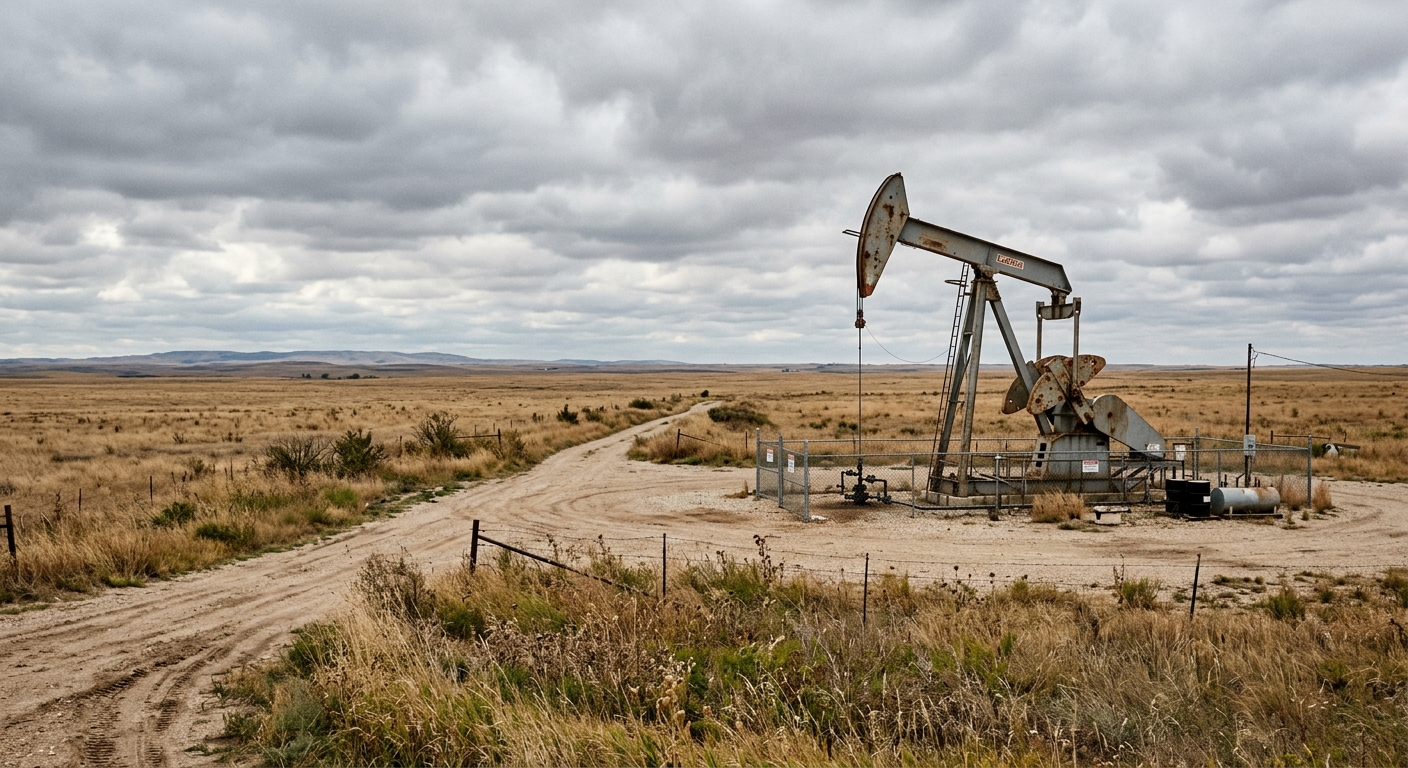
Brent crude futures briefly surged above $90 per barrel in afternoon trading, before falling below $87—a sign of ongoing uncertainty tied to Middle East oil supply risks. Disruptions caused by the closure of the Strait of Hormuz, a vital route for global energy shipments, sent oil prices on a rollercoaster ride, with direct implications for the cost of living in Oklahoma and throughout the nation.
Inflation Remains a Key Local and National Concern
Oklahomans face rising gasoline prices, now averaging $4.01 per gallon—up from the previous year, amplifying concerns around elevated inflation. As consumers adjust to higher expenses at the pump and grocery store, economic observers remain tuned to the latest government data, which forecasts a slight decrease in the U.S. inflation rate to 3.4% for July.
Federal Reserve Weighs Next Steps on Interest Rates
Federal Reserve officials are split over whether to increase interest rates at their next meeting in September. The balancing act involves taming inflation without stifling economic momentum, an issue closely watched by regional banks and business leaders in Oklahoma. The federal reserve’s decisions will likely have a direct impact on households and businesses across the state.
Rising Treasury Yields Drive Mortgage Rate Surge
Financial uncertainty from the iran conflict has prompted a noticeable jump in treasury yields, leading to the highest mortgage rates seen in over a year. For many in Oklahoma, this means higher borrowing costs for home purchases and other major loans, potentially cooling the local real estate sector and shifting buyer behavior.
Mixed Corporate Earnings Shape Sector Sentiment
While broader market volatility persists, recent corporate earnings reports have painted a complex picture. Companies such as Cardinal Health and Aramark outperformed analyst expectations, providing some relief for institutional investors. In contrast, Swiss-based On Holding released a weaker outlook, underscoring lingering challenges in consumer sectors.
AI Investment Remains a Bright Spot
Technology remains a focus for Wall Street, as evidenced by Intel’s ambitious plan to raise $20 billion through new stock offerings. The company aims to direct these funds into artificial intelligence, a move reflecting broader trends toward innovation among Oklahoma’s startups and established tech enterprises. Despite headwinds in the overall market, sector-specific developments continue to draw strong interest from local investors and entrepreneurs alike.
Looking Ahead: Regional Implications
Market performance in Oklahoma will likely continue to reflect the interplay between global developments—such as the iran conflict and volatile oil prices—and domestic trends in inflation, interest rates, and corporate earnings. As Wall Street navigates turbulent waters, regional stakeholders are monitoring these shifts closely to safeguard household budgets and business prospects for the coming months.


