- calendar_today September 1, 2026
The recent nepal flood has brought significant devastation to communities far beyond the Himalayan region, with lessons resonating as far as Oklahoma. When flash floods struck northern Nepal following a glacial collapse, Rajendra Dawadi, principal of Tribhuvan Trishuli School, made a life-saving decision: rapidly evacuate more than 900 students and staff. The quick response, prompted by urgent warnings of a rapidly rising river, has become a striking story of school evacuation and underscores the immense challenges posed by natural disaster nepal events.
Swift Action Amid Flash Floods Saves Lives
On the morning of the disaster, warnings of flash floods swept through Trishuli Valley, putting the area’s educational and residential infrastructure in immediate peril. Dawadi, having both studied and taught at tribhuvan trishuli school, responded without hesitation. By ushering hundreds of students and staff to safety, Dawadi demonstrated the crucial importance of decisive disaster response. Tragically, two staff members remain missing, and the school was soon overwhelmed by floodwaters as the disaster unfolded.
Glacial Collapse Triggers Devastation
The cause of the flooding was a sudden glacial collapse in the Himalayas, underscoring how climatic changes can set off catastrophic events. Entire villages, bridges, and schools, including tribhuvan trishuli school, fell in the path of destruction. More than 950 individuals lost their lives, with over 4,400 still unaccounted for, devastating communities and leaving critical infrastructure in ruins.
Impact on Education Disruption
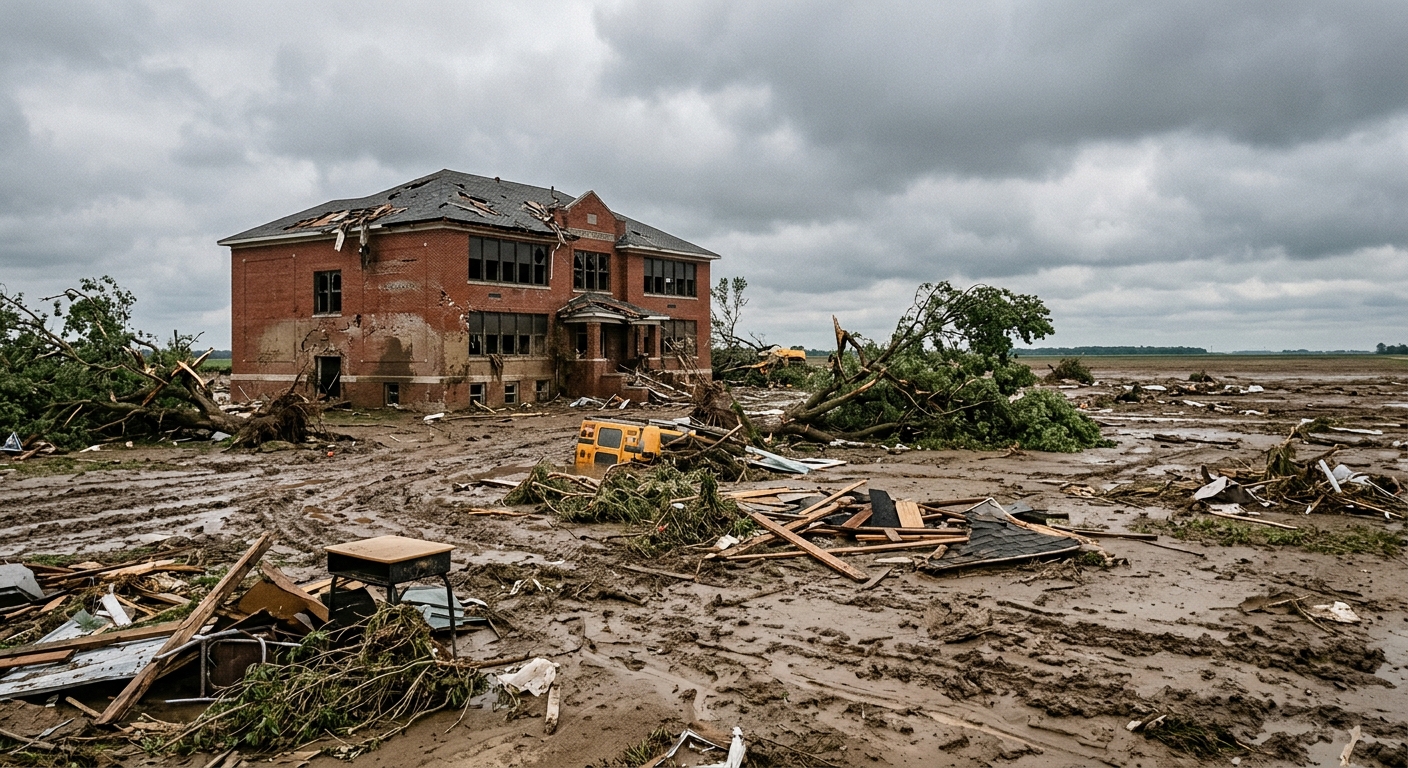
The magnitude of education disruption following the nepal flood is now coming into focus. At least 69 schools were destroyed, immediately affecting access to education for nearly 19,000 students. The loss of learning spaces in Trishuli Valley and neighboring districts has particularly severe implications for students’ academic continuity and emotional well-being. The Oklahoma education community has responded in solidarity, with leaders highlighting the shared responsibility of ensuring student safety during such emergencies.
Focus on Student Safety and Recovery
In the aftermath, Dawadi has been celebrated by students and parents alike, though he credits the outcome to a sense of duty rather than heroism. Calls have grown for systems that place student safety at the forefront and strengthen school evacuation protocols. The disaster has highlighted the importance of psychological and emotional support for students facing trauma—a need increasingly recognized in both Nepal and Oklahoma in recovery planning.
Flood Rescue Efforts and Community Response
Local authorities and international organizations have coordinated flood rescue missions, working to locate missing persons and support families affected by the tragedy. In addition to life-saving measures, there is significant emphasis on restoring infrastructure and rebuilding schools. The pressing challenge remains how to restore educational access, particularly in remote areas where school destruction has left communities with few resources.
Lessons in Disaster Preparedness for Oklahoma and Beyond
The nepal flood tragedy offers sobering lessons for regions like Oklahoma, which also face weather-related emergencies. Discussions among Oklahoma educators and emergency responders have focused on how effective disaster preparedness protocols can save lives and mitigate education disruption. Dawadi’s leadership is viewed as a model, reinforcing the need for clear evacuation procedures, swift communication, and comprehensive disaster response plans.
Looking Forward: The Path to Educational Recovery
Rebuilding the tribhuvan trishuli school and others will require concerted government action and community support. Dawadi, echoing sentiments from parents and students, has called for rapid mobilization to temporarily relocate students and reconstruct learning environments. The Nepalese government is being urged to prioritize educational recovery to ensure that tragedies like this do not have everlasting consequences on the future of the region’s youth.
The events in Nepal’s Trishuli Valley have underscored the far-reaching consequences of school destruction, flash floods, and glacial collapse. By learning from these experiences and adopting resilient disaster preparedness strategies, communities in Nepal, Oklahoma, and beyond can better safeguard their students and educational futures from the threat of natural disaster nepal events.