
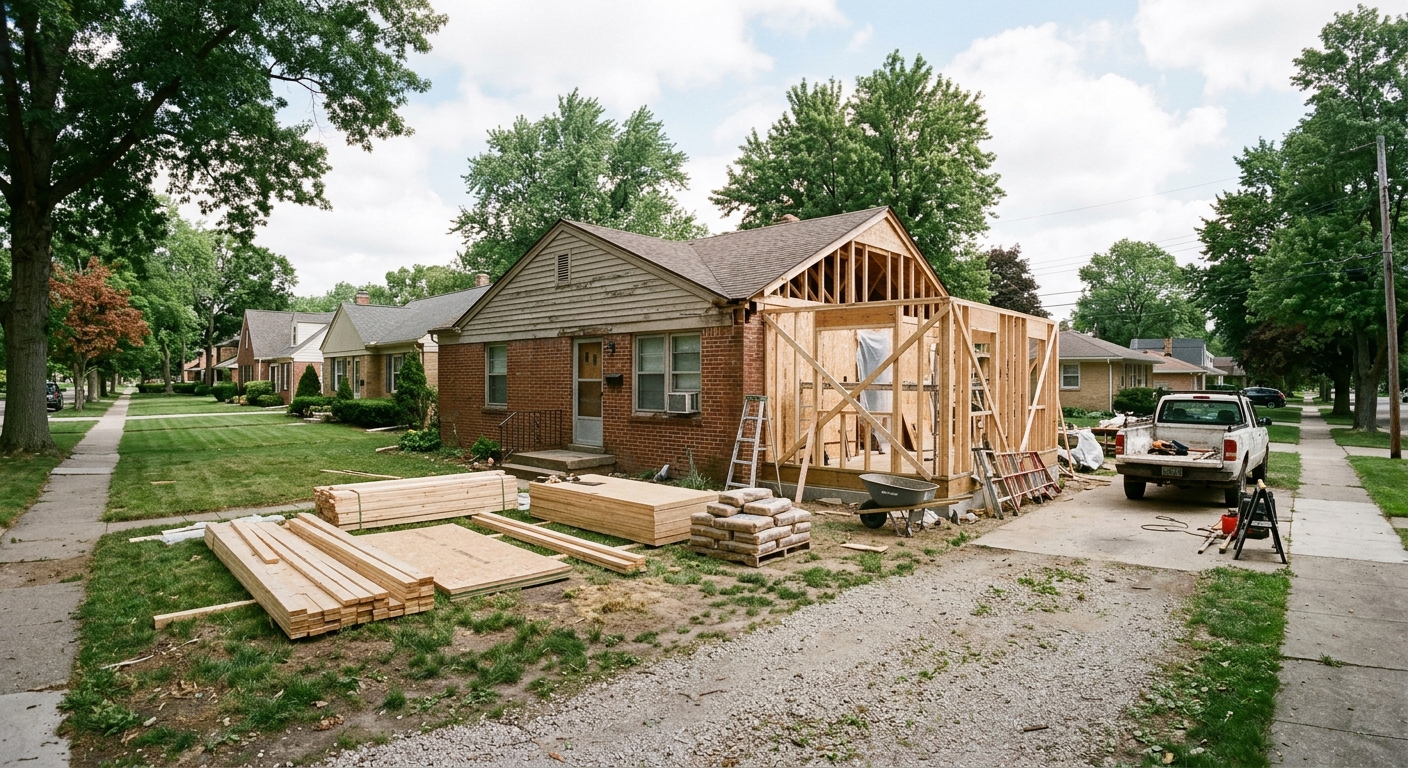
AI-generated illustration; not a photograph of the reported event.
- calendar_today November 23, 2026
Oklahoma City Commits to Housing Affordability
Oklahoma City has launched an ambitious 10-year housing strategy aimed at expanding housing options and tackling the affordable housing crisis facing the city’s residents. Initiated by city officials and housing advocates, the plan combines a variety of local, state, and federal funds to address a persistent shortage of affordable homes, especially for extremely low-income renters.
Funding the Vision: $130 Million for Housing
In 2025, Oklahoma City voters supported a General Obligation Bond, allocating $50 million specifically to affordable housing. This local investment, combined with proceeds from the MAPS 4 program, Community Development Block Grant, and the HOME Investment Partnership Program, brings the total budget for the city’s housing strategy to $130 million.
On November 10, 2026, the city’s Planning Department presented the first official housing strategy to the City Council. The plan, led by Housing Strategy Implementation Manager Shannon Entz, sets out to build 4,000 new homes each year or repair 1,000 existing homes annually over the next decade.
Key Goals and Principles
The housing strategy is guided by several principles: building and preserving a diverse housing mix, maintaining housing quality, and ensuring accessibility for residents of all incomes. The plan defines “affordability” as housing costs totaling less than 30% of an annual household income. According to the United States Census Bureau, Oklahoma City’s median income is $71,231, so an extremely low-income renter earns $21,369 or less per year.
Major goals for the plan include preserving affordability and habitability, increasing inventory and housing diversity, refining policies (including zoning and development codes), supporting affordable homeownership, expanding funding and partnerships, and enhancing support services for housing stability.
Addressing Housing Repair and Neighborhood Revitalization
In addition to new development, repairing aging homes is a significant part of the strategy. The city has identified over 50 vacant multi-family properties and 144,628 properties more than 45 years old that require refurbishment. Shannon Entz highlighted that at least 34,000 homes are in need of repairs ranging from fixing leaks to replacing windows and doors—issues that, if neglected, can escalate into major structural problems.
Entz also emphasized the impact of strategic investment in neighborhoods, recalling her experience with the Strong Neighborhoods Initiative in the Classen-Ten-Penn area, where targeted rehabilitation helped revitalize the community.
Innovative Approaches to Development and Policy
The plan makes use of 4,210 underdeveloped residential lots—40% of which are publicly owned—to build starter homes, accessory dwelling units (ADUs), and other adaptive reuse projects. David Chapman, an Edmond-based real estate broker and University of Central Oklahoma professor, advocates for increasing density through ADUs and smaller homes, noting it is cost-effective due to existing infrastructure.
Chapman stressed that while government alone cannot create affordable housing, it can implement zoning and land use regulations to make affordable development economically feasible. Oklahoma City’s adoption of a 2025 ordinance allowing ADUs is cited as a positive example, and experts suggest the state could consider similar reforms.
Statewide Implications and Calls for Collaboration
Housing advocates and experts, including Sabine Brown of the Oklahoma Policy Institute, recommend that state policymakers examine Oklahoma City’s strategy and collaborate on housing solutions. While efforts to create a statewide workforce housing commission have not yet succeeded, there is a push for assembling diverse stakeholders to develop comprehensive strategies.
Chapman noted that while a statewide approach is valuable, housing solutions must be adapted locally, as needs can vary dramatically between communities. Examples from other states, such as Texas and Montana, show the importance of both state guidance and local action.
Looking ahead, Shannon Entz’s goal is for Oklahoma City’s housing plan to serve as a model of effective, inclusive development. She expressed intent to seek additional funding to ensure the city keeps pace with other major urban centers that have invested hundreds of millions in housing development.
Related coverage
Source: oklahomawatch.org.


