- calendar_today August 8, 2025
Oklahoma’s real estate market is entering 2025 with measured momentum, standing out for its relative affordability and economic resilience. While national housing trends point to a year of cautious optimism and market recalibration, Oklahoma’s housing landscape remains attractive to both local buyers and out-of-state investors seeking value.
With mortgage rates expected to gradually ease and demand spreading to mid-sized and suburban markets, the Sooner State is poised to maintain a steady, if not booming, housing pace through the year.
Though interest rates are unlikely to return to pandemic-era lows, analysts forecast modest declines throughout 2025. In Oklahoma, where median home prices are below the national average, even slight drops in rates, from around 6.8% to 6.2%, can have a significant impact on monthly mortgage affordability.
This shift could draw previously hesitant buyers back into the market, particularly in metro areas like Oklahoma City and Tulsa, where real estate remains relatively accessible compared to coastal metros.
Mid-Sized Cities and Suburbs See Renewed Attention
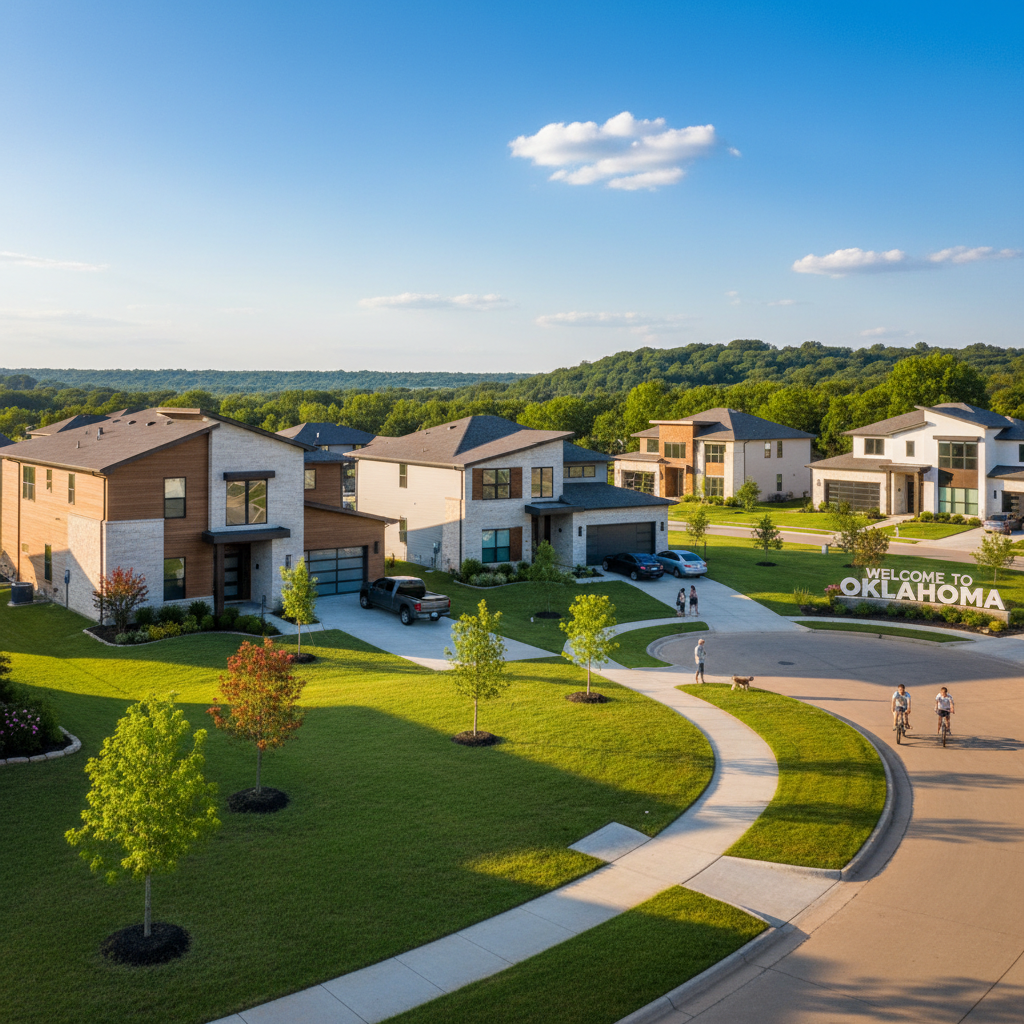
Oklahoma’s mid-sized cities and rural suburbs continue to attract buyers from larger, more expensive states. Tulsa and Norman are experiencing increased interest from young professionals, remote workers, and retirees seeking a better cost of living.
This trend reflects a broader national pattern where buyers are prioritizing affordability, access to outdoor space, and stable job markets over the traditional appeal of large urban centers. Oklahoma’s low property taxes and central location add to its growing appeal.
Housing Inventory: Still Playing Catch-Up
While home prices in Oklahoma haven’t surged as dramatically as in other states, supply remains tight. Many homeowners are still holding on to low-rate mortgages secured before 2023, limiting turnover. Builders, meanwhile, face challenges in ramping up new construction due to labor shortages and rising material costs.
In fast-growing communities like Edmond, Broken Arrow, and Moore, competition for move-in-ready homes is especially stiff. This persistent supply-demand imbalance is likely to keep prices stable, if not slightly rising, in well-located neighborhoods.
Rental Demand Grows as Affordability Pressures Mount
The state’s rental market is tightening as homeownership remains elusive for some prospective buyers. Rent increases in cities like Tulsa and Oklahoma City averaged around 5% in 2024 and are expected to rise further in 2025. Factors such as population growth, stagnant wages, and limited rental inventory are all driving these gains.
Build-to-rent housing models are expanding in Oklahoma suburbs, particularly in areas where younger families are seeking single-family homes without the financial commitment of ownership.
PropTech and AI Are Reshaping the Market
Oklahoma’s real estate sector is gradually embracing digital tools, especially among newer brokerages and buyers under 40. AI-driven platforms are enabling faster property searches, smarter pricing strategies, and virtual home tours, reducing friction in the homebuying process.
While adoption lags behind coastal markets, agents who leverage these tools are gaining an edge, particularly when targeting out-of-state buyers or streamlining remote transactions.
Affordability Remains a Core Advantage—For Now
Oklahoma continues to rank among the most affordable housing markets in the U.S., but affordability is becoming more strained than in previous years. Median household income is rising slowly, while housing costs and insurance premiums inch upward. Entry-level homes are harder to find, and builders often prioritize mid-range products for better returns.
Without new policy measures or significant boosts in housing stock, first-time buyers may still face hurdles in 2025—even in traditionally low-cost markets.
Climate and Insurance Challenges Beginning to Influence Valuations
Oklahoma’s vulnerability to severe weather—tornadoes, hail, and flooding—has begun to affect homeowner decisions and insurance rates. Insurers are reassessing risk across the region, leading to higher premiums and stricter underwriting in some areas.
This could alter buyer interest in certain neighborhoods, particularly those without resilient infrastructure or flood mitigation features. In turn, developers may begin prioritizing climate-adaptive construction practices to future-proof new communities.
Outlook for Buyers, Sellers, and Investors
Buyers in Oklahoma should remain patient and flexible, with an eye on interest rate trends and expanding suburban inventory. Sellers with well-maintained homes in growing areas should expect steady interest, though aggressive pricing may deter cautious buyers.
For investors, Oklahoma’s solid rental yields and rising demand for multi-family units make the state a compelling choice, particularly in college towns, healthcare hubs, and logistics corridors.
Oklahoma’s Market Stands Firm Amid National Transition
While national real estate trends continue to evolve in 2025, Oklahoma presents a more stable, predictable environment. The state’s affordability, central geography, and adaptable economy position it well for measured growth. With buyers, builders, and policymakers focused on sustainability and access, Oklahoma’s housing market is expected to remain competitive and resilient in the year ahead.