- calendar_today August 12, 2025
Oklahoma’s manufacturing, energy, and agriculture sectors are facing higher costs and market volatility with Trump’s shifting trade policies.
Oklahoma is weathering profound economic changes as the impacts of Donald Trump’s trade policies ripple across the state’s top industries. Agriculture, energy, and manufacturing are all suffering from increased costs, export difficulties, and market instability. While tariffs and renegotiated trade deals redefine the national economy, Oklahoma has special challenges and is adapting to this new economic landscape.
Agriculture is experiencing increased costs and export difficulties
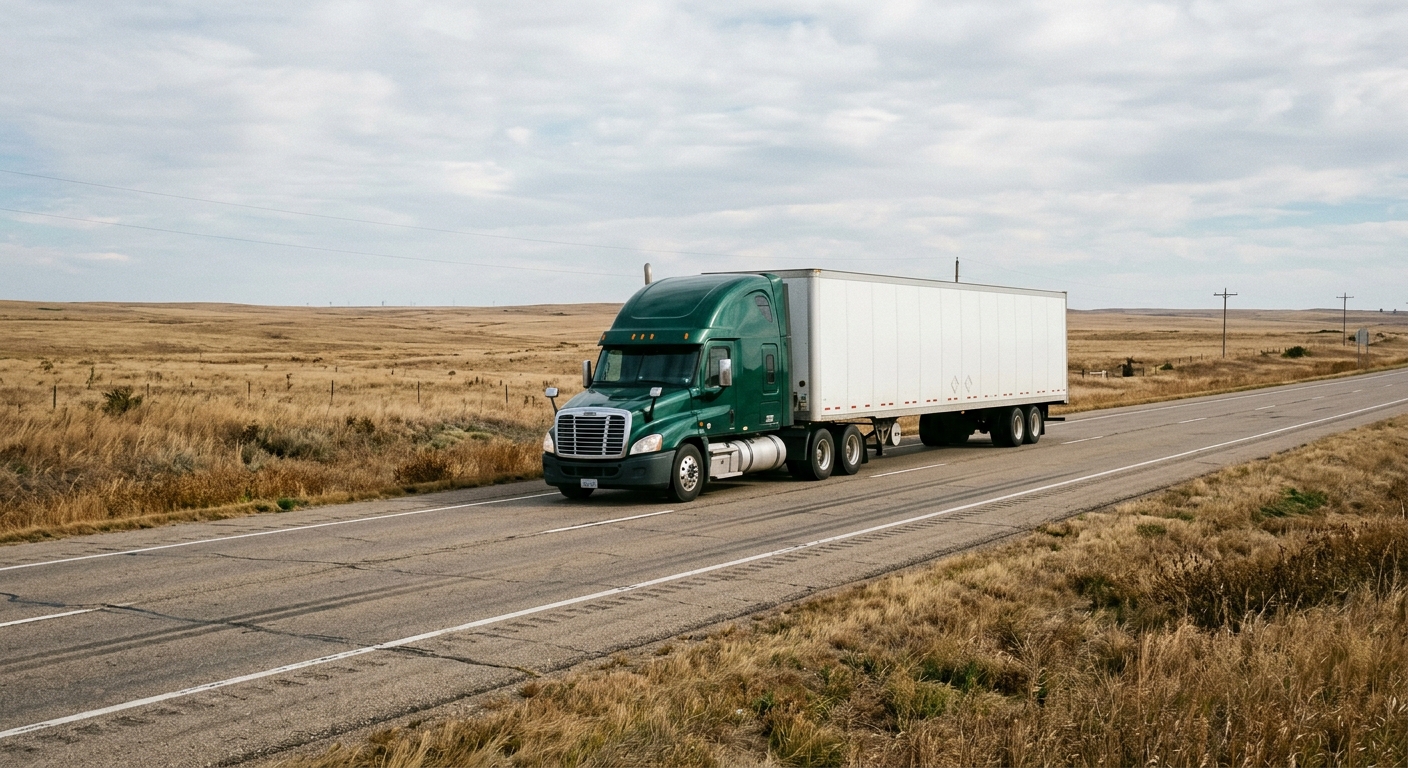
Agriculture is still a mainstay of Oklahoma’s economy, but the trade policies of Trump have upset this important sector. Farmers who depend on export markets for wheat, soybeans, and cotton are especially at risk from retaliation tariffs imposed by large trading partners.
The Chinese market, one of the most important destinations for Oklahoma’s farm exports, has cut imports under retaliatory tariffs. The decline is dampening commodity prices, leaving farmers in the state with less money and more uncertainty about future sales.
Rural Oklahoma farmers report that fertilizer and equipment inputs have increased as a result of tariffs imposed on foreign products, reducing further their margins. Most farmers worry that if trade tensions are not calmed, long-term damage to global market relationships could be hard to undo.
Energy Sector Adapts to Global Price Volatility
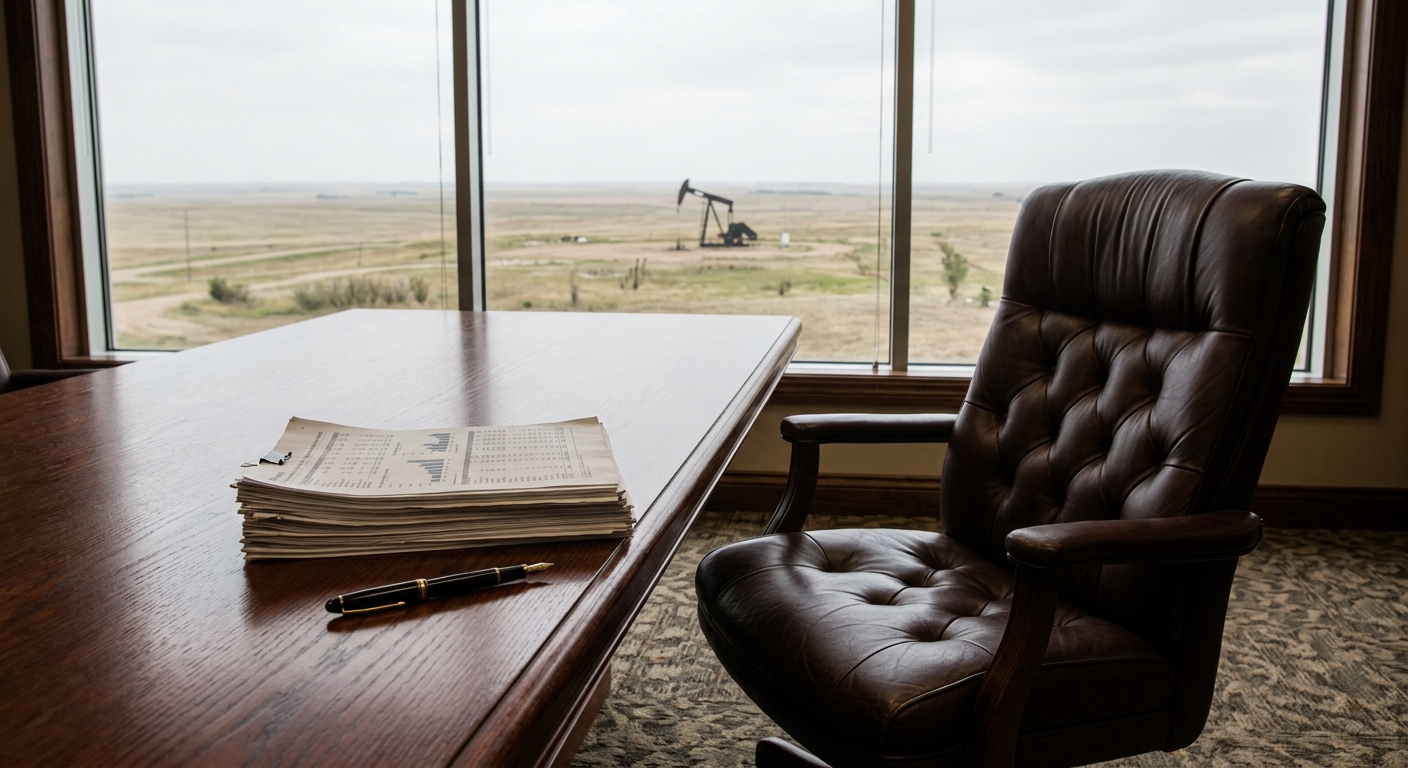
Oklahoma’s energy industry, the second largest engine of Oklahoma’s economy, is also feeling the direct impact of changing trade policies. Natural gas and oil production make up a significant percentage of Oklahoma’s revenues, and variation in international trade agreements is adding to price fluctuations.
While the energy industry at first embraced policies of favoring domestic production, steel tariffs—a key ingredient in pipeline installation and drilling equipment—have added to operating costs. This added cost is felt by major energy companies and independent producers alike, which impacts capital investment and profitability.
In Oklahoma City, energy officials are concerned that extended trade uncertainty would discourage foreign investment in Oklahoma’s energy infrastructure. Reduced exports of liquefied natural gas (LNG) to major Asian markets also are constraining revenue potential for Oklahoma energy producers.
Oklahoma’s manufacturing industry is also suffering from Trump’s trade policy, particularly due to tariffs imposed on imported raw materials. Businesses like aerospace, automotive, and electronics, which rely on imported components and metals, are experiencing higher production costs.
Locals in Tulsa reference a rise in prices caused by steel and aluminum tariffs. The rise in price has pushed some to raise their prices or absorb financial hits, which makes it more difficult to compete in foreign and domestic markets.
Small farmers are especially exposed, with minimal capacity to absorb increasing input prices. Other factory owners have warned that if tensions do not abate, it may result in less hiring, slower expansion, and even layoffs.
Small Businesses Cope with Supply Chain Disruptions
Throughout Oklahoma, small businesses are finding it difficult to absorb the trickle-down impacts of supply chain disruptions caused by volatile trade policies. Importers, technology firms, and retailers are paying higher prices for imported products, which translates to higher prices for consumers.
In Norman, business people have blamed the government for delays in receiving imported stock because of customs delays and new trade barriers. Such disruptions struggle to enable them to fill customer orders and stay profitable.
Local business associations are pushing for policy reforms that will alleviate small businesses of the burden. They claim that prolonged trade uncertainty discriminates against local businesses and business people disproportionately.
Consumers Pay Higher Prices
The economic changes brought about by Trump’s trade policies are also being experienced by Oklahoma consumers. With tariffs increasing the cost of goods that are being imported, daily items—such as appliances, electronics, and cars—are becoming more costly.
Suburban households like the ones in Edmond say they spend more on necessities. Middle-class households are especially hit because increased costs decrease purchasing power and narrow disposable income.
Economic experts warn that, if the current state of trade continues, consumer confidence will fall even further, leading to less consumption and lower economic growth in Oklahoma.
Political and Economic Leaders Are Missing Stability
Political leaders and business lobby organizations in Oklahoma are calling for clearer trade policies in order to avoid more economic instability. State leaders have urged the federal government to pay more attention to local interests when negotiating international trade agreements.
Groups such as the Oklahoma Chamber of Commerce are appealing to policymakers with the goal of advocating solutions that safeguard the state’s industries while promoting international cooperation in trade. They believe that long-term economic stability hinges on balancing domestic expansion with international competitiveness.
Conclusion
As Trump’s policies continue to determine the economic direction in Oklahoma, consumers and businesses in the state anticipate further adjustment. Although protectionist policies favor industries specializing in the home market, others, especially those depending on exports, suffer from ongoing financial difficulties.
The capacity of the state to ride out trade volatility hinges on proactive coordination among public authorities, private businesses, and citizens. As arguments rage on in policy circles, Oklahoma’s future rests in an even-handed process that protects local businesses while further entrenching global commerce ties.