- calendar_today August 13, 2025
After several years of national economic turbulence, Oklahoma’s commercial real estate (CRE) market is finding its footing again in 2025. The Sooner State’s central location, low cost of living, and improving infrastructure are playing pivotal roles in attracting new investment, especially in logistics, multifamily, and specialized manufacturing real estate.
Cities like Oklahoma City and Tulsa are becoming regional anchors for business relocations and real estate developers looking for stable, long-term returns amid the shifting dynamics of post-pandemic recovery.
Population Stability with Growth Hotspots
Unlike the Sun Belt’s explosive population surges, Oklahoma’s growth has been steady but strategic. According to the Oklahoma Department of Commerce, Oklahoma City is now the 20th largest U.S. metro by land area, with steady population gains averaging 1.2% annually.
Migration patterns from high-cost states like California and Colorado are boosting suburban development, particularly in Edmond, Norman, and Broken Arrow. These pockets of residential growth are driving demand for nearby commercial assets—especially grocery-anchored retail centers, medical office space, and build-to-rent communities.
Office Market: Flight to Functionality
The office sector in Oklahoma continues its slow but focused recovery. Hybrid work remains prevalent, but office space is far from obsolete. Tenants are increasingly downsizing in favor of functional, tech-equipped Class B properties in suburban business parks.
In Oklahoma City, Class A vacancy rates remain above 18%, according to JLL, but are stabilizing due to corporate reshuffling and regional headquarters expansions. Tulsa’s downtown core is also experiencing adaptive reuse trends, with old buildings converted into co-working spaces and creative studios.
Flexible lease terms, sustainability upgrades, and proximity to workforce housing are now the top priorities for office tenants.
Industrial Real Estate: A Rising Star in the Plains
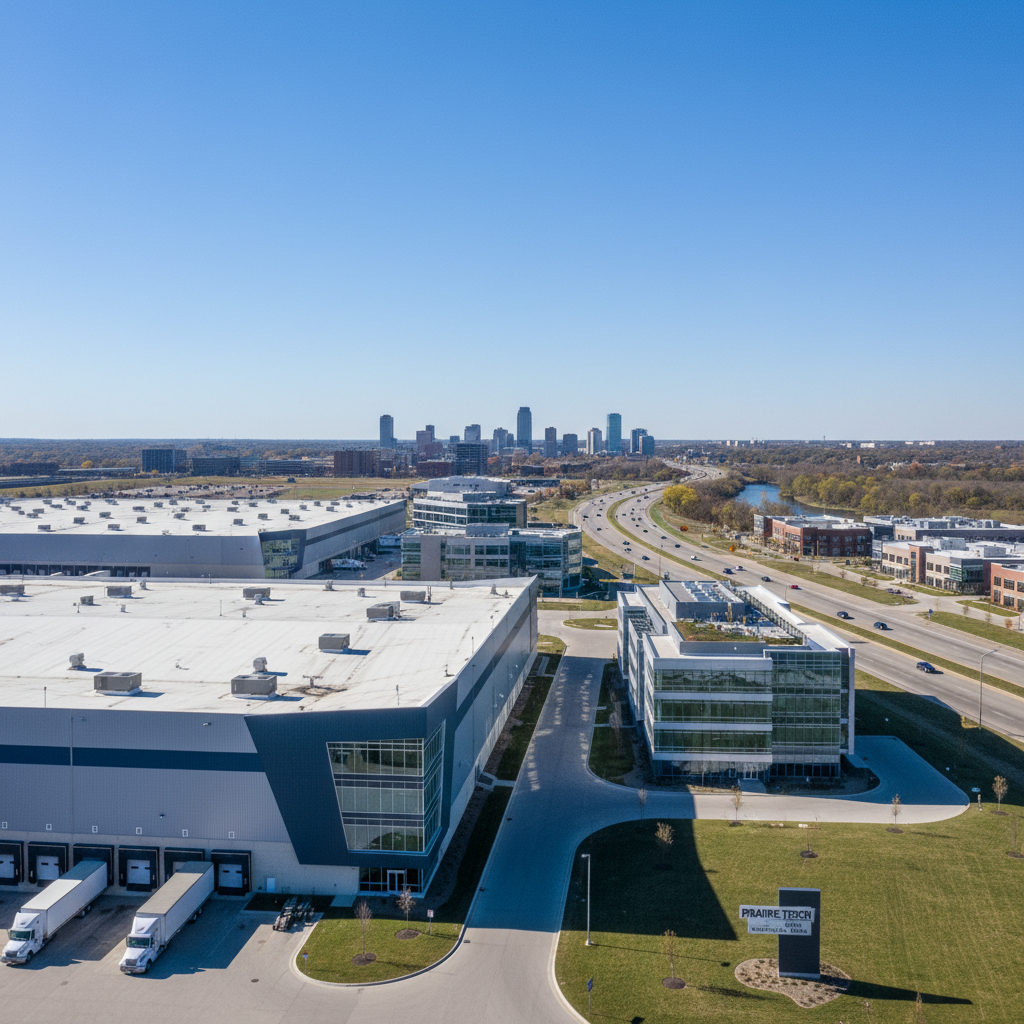
Industrial real estate is arguably Oklahoma’s most robust CRE segment in 2025. The state’s central location—within a day’s truck drive of 90% of the U.S. population—makes it a top choice for logistics and distribution companies.
The I-35 and I-44 corridors are seeing rapid industrial development, with over 10 million square feet of new warehouse space under construction across Oklahoma City, Tulsa, and nearby markets like Ardmore and Enid.
Aerospace and defense contractors, as well as clean energy manufacturers, are expanding their footprints in Oklahoma, thanks in part to state-backed incentives and workforce training initiatives.
Industrial vacancy remains below 4%, while rents have climbed nearly 8% year-over-year, according to CBRE.
Retail Sector: Resilient in Local Markets
Despite national pressures on big-box retailers, Oklahoma’s retail sector is showing signs of healthy adaptation. Retail demand is strong in neighborhoods where population density and service gaps overlap.
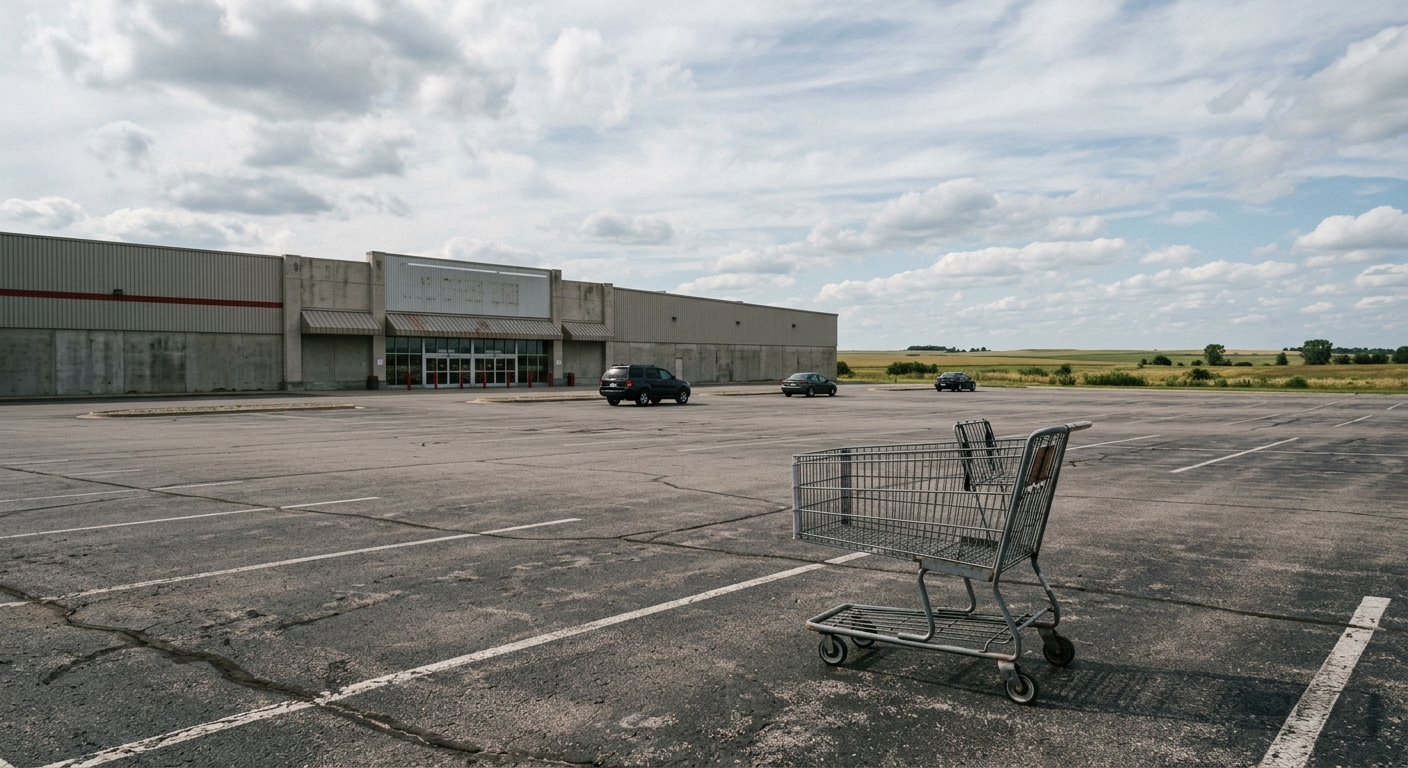
Oklahoma City’s Plaza District and Tulsa’s Cherry Street have become cultural and commercial hubs, blending boutique retail with dining and entertainment. Suburban strip malls are being revitalized with tenants such as medical clinics, fitness centers, and local service providers—replacing traditional retailers.
Foot traffic remains steady, supported by Oklahoma’s lower-than-average unemployment and cost of living. Developers are investing in experiential retail and neighborhood centers anchored by grocery stores, banks, and healthcare tenants.
Multifamily: Strong Demand in Secondary Markets
Oklahoma’s rental market is benefitting from a growing renter population, driven by economic uncertainty and rising homeownership costs. Oklahoma City, Tulsa, and Norman have all seen robust multifamily absorption, particularly in suburban areas.
New developments include garden-style communities, student housing near universities, and workforce apartments catering to middle-income residents.
According to Yardi Matrix, the Oklahoma City metro had a 5.3% rent growth rate over the last year, while Tulsa recorded 4.7%. Vacancy rates remain below 7% in most markets, with demand projected to rise through 2026.
The build-to-rent (BTR) model is also expanding rapidly, offering single-family rental homes in professionally managed communities, often located just outside urban centers.
Niche Sectors: Healthcare, Data, and Renewables
Oklahoma’s commercial property growth isn’t limited to traditional sectors. Healthcare-related construction is on the rise, with new outpatient clinics, urgent care centers, and specialized rehab facilities opening in suburban areas.
Data centers are also drawing attention, particularly in the Oklahoma City metro area where access to cheap land and energy are driving new builds. Several renewable energy companies are investing in wind and solar installations, which require both physical infrastructure and support facilities.
The University of Oklahoma and Oklahoma State University continue to drive innovation districts that integrate academic research with entrepreneurial commercial spaces, especially in Norman and Stillwater.
Government Support and Incentives
Oklahoma continues to offer a range of business-friendly incentives that attract real estate investment. These include:
- The Quality Jobs Program, which rebates payroll taxes to firms creating high-wage jobs.
- Investment/New Jobs Tax Credits, encouraging manufacturers and distribution centers to expand operations.
- State grants supporting infrastructure improvements in industrial parks and logistics hubs.
Municipalities such as Tulsa and Oklahoma City have also streamlined permitting and zoning processes, accelerating commercial development timelines and attracting out-of-state capital.
Challenges to Watch
Despite strong momentum, the state faces several headwinds:
- Aging infrastructure in some areas increases redevelopment costs.
- Labor shortages in construction and skilled trades are delaying project timelines.
- Severe weather risks, including tornadoes and hail, are raising insurance premiums and impacting site planning.
Nevertheless, Oklahoma’s relative affordability, central location, and pro-business climate continue to mitigate these challenges for most investors.
2025 Outlook: Stable, Strategic Growth
As 2025 progresses, Oklahoma stands out for its steady and strategic commercial real estate recovery. The market is not experiencing speculative spikes or bubbles but is building on solid fundamentals—population shifts, infrastructure investment, and sectoral diversification.
Industrial, multifamily, and healthcare-related assets are expected to remain top-performing CRE segments through the end of the year. Meanwhile, retail and office markets will likely continue their gradual transformation, supported by local economic stability.
For developers, REITs, and institutional investors seeking moderate risk and long-term upside, Oklahoma’s commercial real estate landscape presents a compelling case in the heartland of America.