- calendar_today August 27, 2025
Oklahoma Workers Gear Up for an AI-Driven Future
Artificial Intelligence (AI) is no longer something on the horizon—it’s on its way to becoming an engine for the way we work and live. The World Economic Forum predicts that by 2030, half of all U.S. jobs will be affected by AI. For Oklahoma, whose economy is based on industries such as energy, agriculture, education, and manufacturing, the future changes are daunting and riddled with possibilities.
Instead of eliminating all jobs, AI will remake them. Much work will move, some will vanish, and completely new professions will be born. As this change happens, Oklahoma workers, businesses, and communities will have to switch quickly.
What Does AI Mean for Oklahoma’s Economy?
AI isn’t about robots doing it all—it’s about applying machines to do repetitive things, analyze data, and increase efficiency. The best news? Plenty of jobs will continue to need a human touch. The worst news? Routine jobs that don’t adapt could be gone.
Here’s how AI will affect Oklahoma jobs:
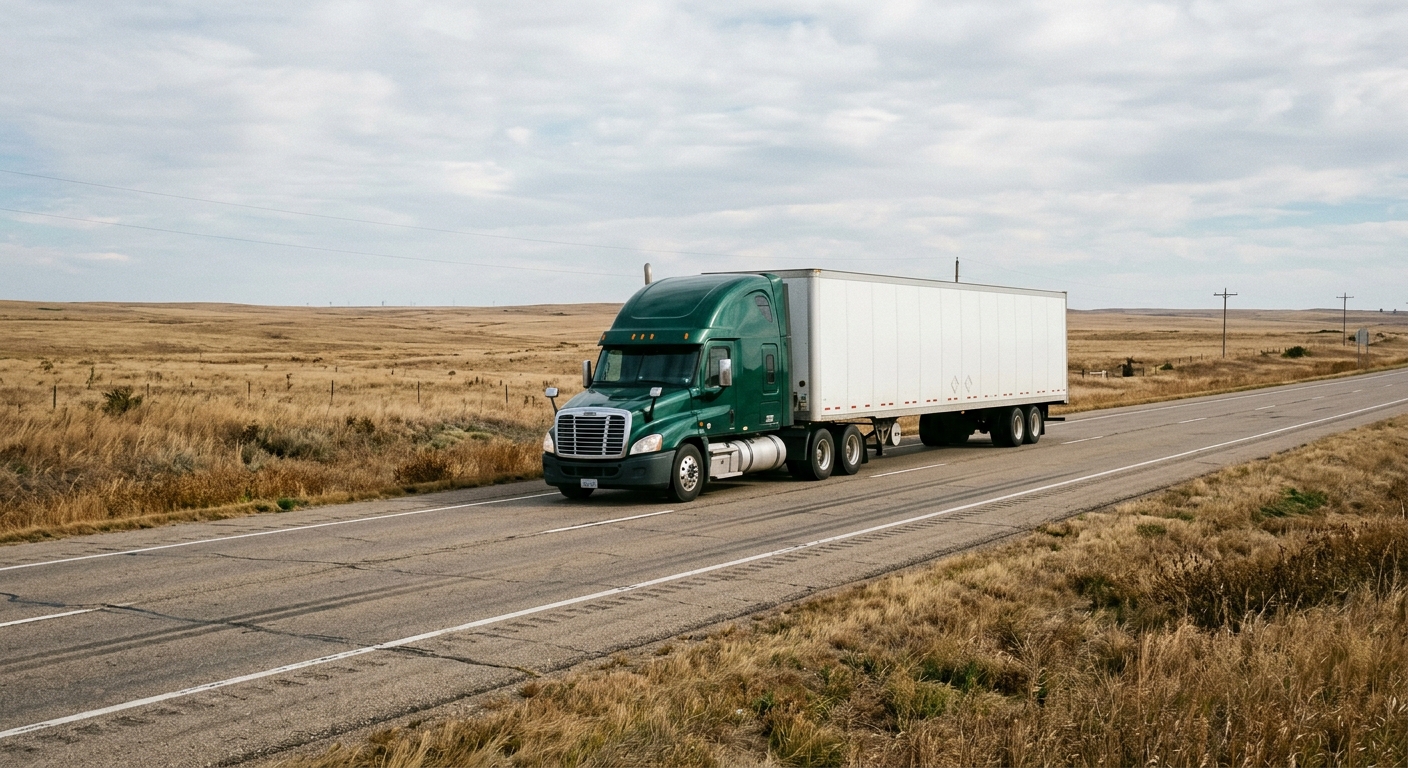
- Automating repetitive tasks: Manufacturing, logistics, and clerical jobs could dwindle.
- Emergence of hybrid jobs: Employees with a blend of tech expertise and problem-solving or leadership skills will be in demand.
- New technology-based occupations: Data analysts to AI support specialists, new positions are surfacing at a record pace.
Major Oklahoma Industries Undergoing AI Transformation
Energy
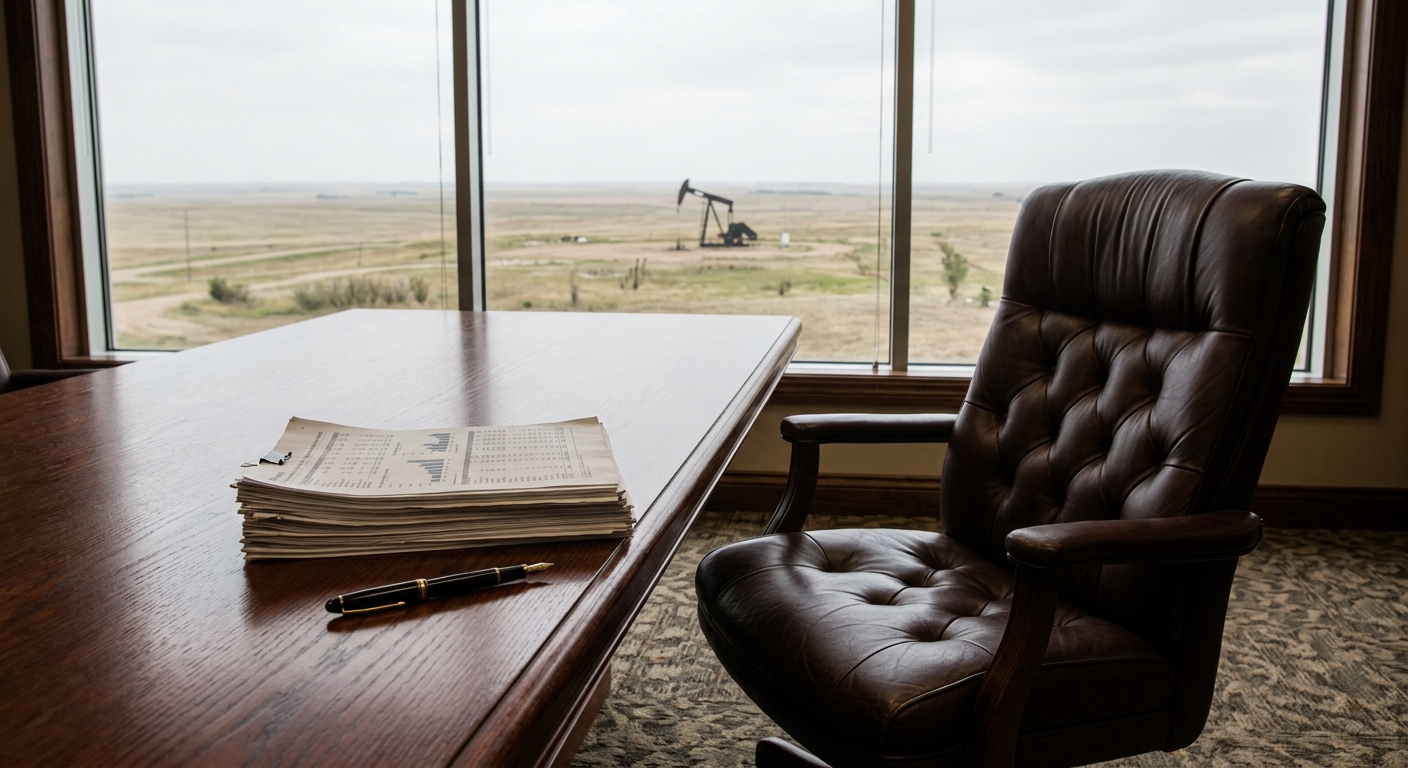
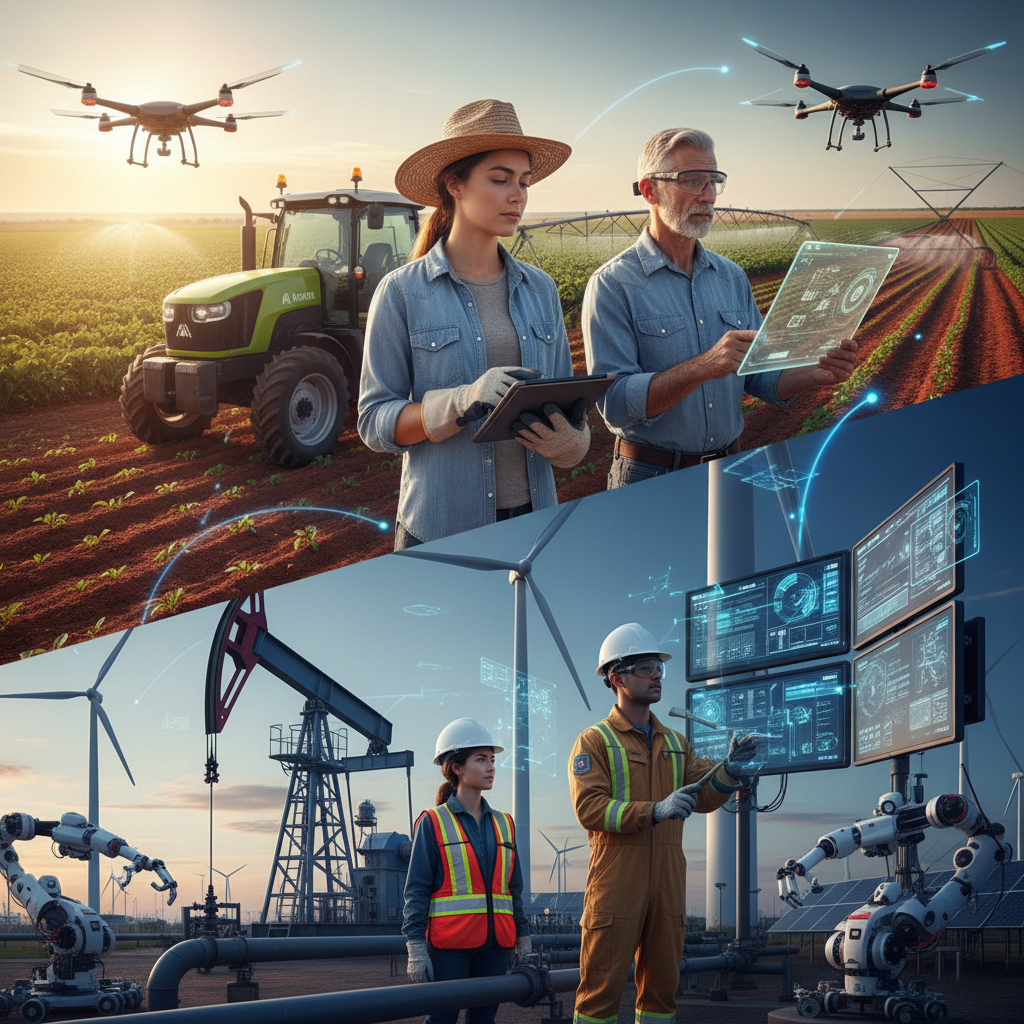
Oklahoma’s oil and gas industry is already embracing AI to forecast the breakdown of equipment, optimize drilling, and cut expenses. Although this increases productivity, it minimizes the demand for manual monitoring and conventional field work. Nevertheless, data analysts, system engineers, and technicians will be needed more.
Agriculture
AI is assisting farmers to monitor soil health, track livestock, and forecast weather patterns. As smart machines perform the routine work, Oklahoma’s farm workers might focus on tech-enabled jobs such as drone operation, precision agriculture, and tracking agricultural data.
Manufacturing
Automation has been around in manufacturing for a long time, but AI extends it to include predictive maintenance, quality inspection, and robotics. Factory workers might have to get educated on how to use and service intelligent machines instead of doing the work themselves.
Education and Healthcare
In Oklahoma City and Tulsa, hospitals and schools are leveraging AI to individualize learning and enhance patient care. Although paperwork might be minimized by AI, human interaction is still crucial—particularly in clinics and classrooms. Nurses and teachers who are friendly to AI will remain indispensable.
Cities to Watch in Oklahoma’s AI Transformation
- Oklahoma City: As a developing hub for aerospace, healthcare, and logistics, it might experience AI implementation and job transformation at a faster pace.
- Tulsa: Famous for energy and manufacturing, employees here might experience quicker disruption and require specialized upskilling initiatives.
- Stillwater & Norman: With research centers and universities, these cities could facilitate innovation—and educate future generations in AI-era jobs.
What Oklahoma Workers Can Do Now
Learn Digital Skills
Even a basic understanding of software, data tools, or automation systems puts job seekers ahead. Workforce programs and community colleges throughout Oklahoma are offering more courses in AI, coding, cybersecurity, and digital literacy.
Adopt Career Flexibility
The career you have now might not exist in 2030. Remain open to retraining, changing industries, or entering fields that AI gives rise to, like AI system management, remote diagnosis, and ethical tech compliance.
Leverage Human Strengths
AI is strong, but it is not creative, empathetic, or ethical. Jobs that require communication, caregiving, leadership, and innovation will always need humans.
Reskill Locally
Companies such as CareerTech and OK Workforce Development provide affordable, experiential learning that enables workers to transition into occupations that are difficult for AI to automate.
How Businesses and Leaders Must Act
To remain competitive and defend workers, Oklahoma employers and policymakers have no choice but to act immediately:
- Invest in training programs that prepare workers for tech-infused positions.
- Broaden broadband and technology infrastructure in the countryside to bridge the digital divide.
- Collaborate with schools and community colleges to map the curriculum to emerging employment needs.
- Support lifelong learning through scholarships, certification, and job training.
The future of work in Oklahoma depends on forward-thinking leadership, worker support, and wise planning.
A Positive Outlook: New Jobs Will Outnumber Lost Ones
Though AI can automate some jobs, history also teaches us that emerging technologies bring new opportunities. Indeed, most industry specialists assume there will be more job creations than losses.
The most promising areas in Oklahoma are:
- Cybersecurity and IT support
- Renewable energy systems
- Healthcare tech and diagnostics
- Smart agriculture and drone operations
- AI model testing and ethics management
The AI-driven job market in 2030 can reward those who are ready to change, learn, and lead.
Final Thoughts: Oklahoma’s Workforce Can Thrive in an AI Future
The AI revolution isn’t fear—it’s preparation. With 50% of jobs set to shift, Oklahomans are able to define the future, not get left behind by it.
Whether you’re an oilfield technician in Lawton, a teacher in Norman, or a logistics worker in Tulsa, the world of work is changing fast. But with strong support from education, government, and business, Oklahoma can rise to meet the challenge—smarter and stronger than ever before.