- calendar_today August 29, 2025
In 2025, Oklahoma is emerging as one of the U.S. states that is reaping a big payoff from slowing inflation. Following years of grappling with cost pressures, economic uncertainty, and stretched-out consumer budgets, the Sooner State at last is beginning to exhibit some stability and growth. As inflation decelerates, central banks are facing less pressure to be aggressive with their monetary policies — a change that’s making itself felt in Oklahoma’s finances.
Lower Inflation, Greater Purchasing Power
Throughout most of the last two years, inflation was a heavy burden on Oklahomans. From groceries and gas to home and medical costs, prices rose rapidly, and many families felt their buying power evaporate. Now that inflation rates are falling toward more sustainable levels, residents are exhaling a collective sigh of relief.
Declining inflation means products and services are not rising in cost as quickly. For Oklahoma’s working class and rural populations, where sensitivity to cost is typically greater, this shift has a particular significance. It means that families can get more out of their incomes and places less strain on reducing everyday expenditure.
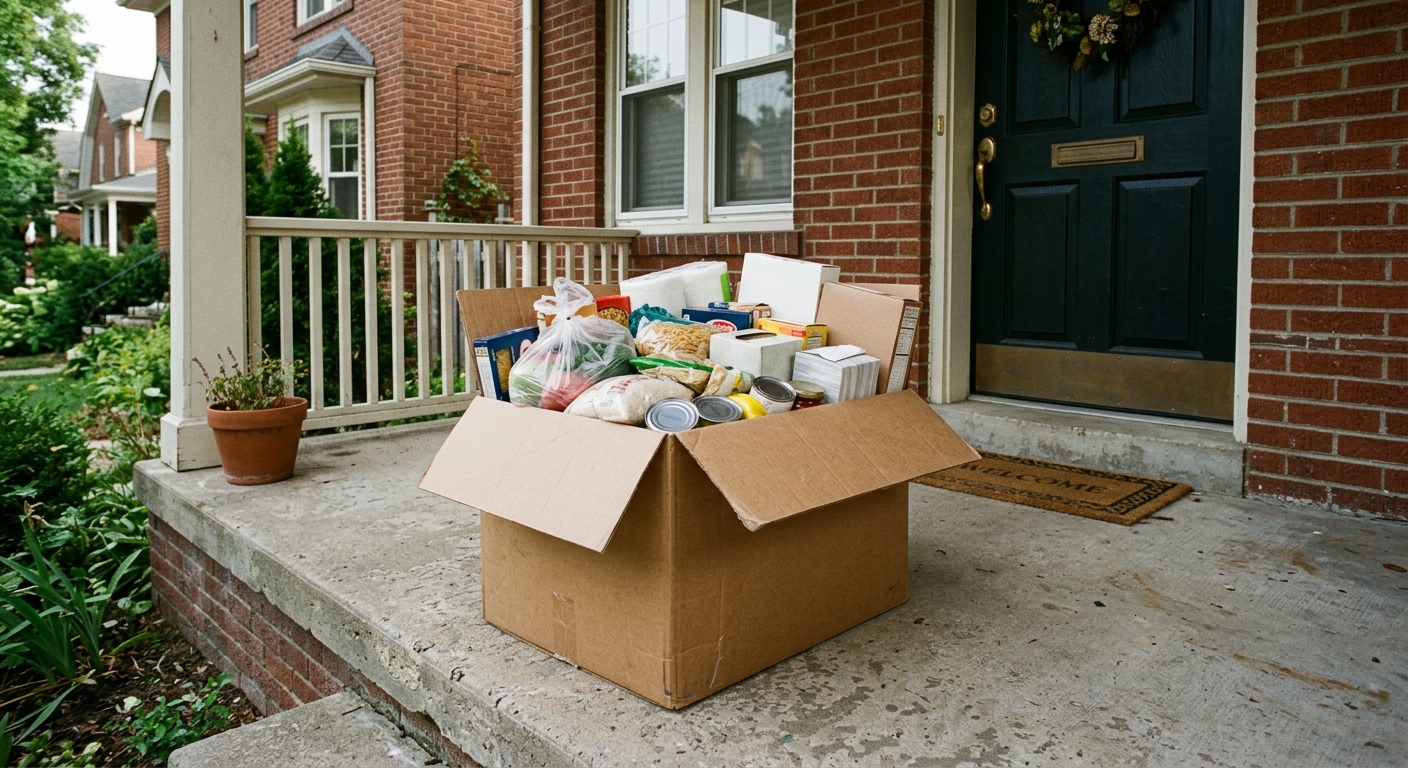
The state’s removal of its grocery sales tax has further enhanced this relief. With more affordable necessities and fewer surprise price increases, consumer confidence is on the rise — and with it, spending.
Economic Momentum Builds Across Sectors
Oklahoma’s economy is diversified, gaining strength from both established and emerging sectors. As inflation decreases, different sectors are displaying hopeful signs of expansion.
The energy sector — especially oil and natural gas — continues to be a pillar of the state’s economy. With worldwide fuel prices leveling out and production expenses more dependable, Oklahoma’s energy companies are increasing investments and operations.
Meanwhile, the state is also witnessing growth in industries like clean energy, manufacturing, logistics, and technology. Lower inflation improves the ability of businesses to contain operating costs so that they can reinvest in equipment, training, and employee growth.
This better business environment is attracting out-of-state investors and businesses even more to Oklahoma as a cost-effective, central location with a solid infrastructure and labor force.
Job Market Remains Resilient
As corporations become more confident, job growth is picking up speed. Oklahoma is seeing steady employment increases, with firms adding workers in a broad array of industries. Healthcare, construction, education, and technology jobs are some of the most sought after, one of the state’s strongest job markets in many years.
Labor force participation is also increasing — particularly in rural and historically underrepresented communities. This more extensive participation in the workforce indicates a better economic attitude and an increasing perception among residents that greater opportunities are within reach.
As more individuals work and contribute, local economies throughout Oklahoma’s communities are growing stronger, which fuels a positive economic loop that nourishes everyone from small business owners to public service providers.
Housing and Real Estate Markets Adapting
The housing market, also, is reacting to shifting circumstances. High inflation and increasing interest rates had made it more difficult to buy a home in recent years. But now that inflation is relaxing and lending rates are steadying, demand is again building up — especially in expanding areas such as Oklahoma City, Tulsa, and Norman.
Developers are striking back with new residential projects, and buyers are coming back. Affordability continues to be a problem in some parts of the country, but generally, the trend is toward a more balanced and open housing market. Rental rates are stabilizing, allowing tenants a little more leeway to budget and save.
Relief for Central Banks, Optimism for Local Governments
Falling inflation isn’t only good news for shoppers and companies — it’s also welcome respite for policymakers. Central banks such as the Federal Reserve were forced to keep a hard pace of rate increases to curb inflation in previous years. With the economy now slowing at a sustainable level, they can balance their approach.
This brings greater predictability to borrowing, spending, and investment — something that state and local governments are eager to see. Oklahoma’s leadership is taking advantage of this time of economic calm to invest in infrastructure, education, and the development of the workforce so that the state can keep growing even in an evolving national environment.
Small Businesses Flourish Under More Stable Conditions
Small enterprises are usually the first to experience the impact of inflation — and the first to gain when it abates. In Oklahoma, hometown entrepreneurs are availing themselves of reduced input prices and more stable demand to increase operations, hire employees, and be more competitive in terms of price.
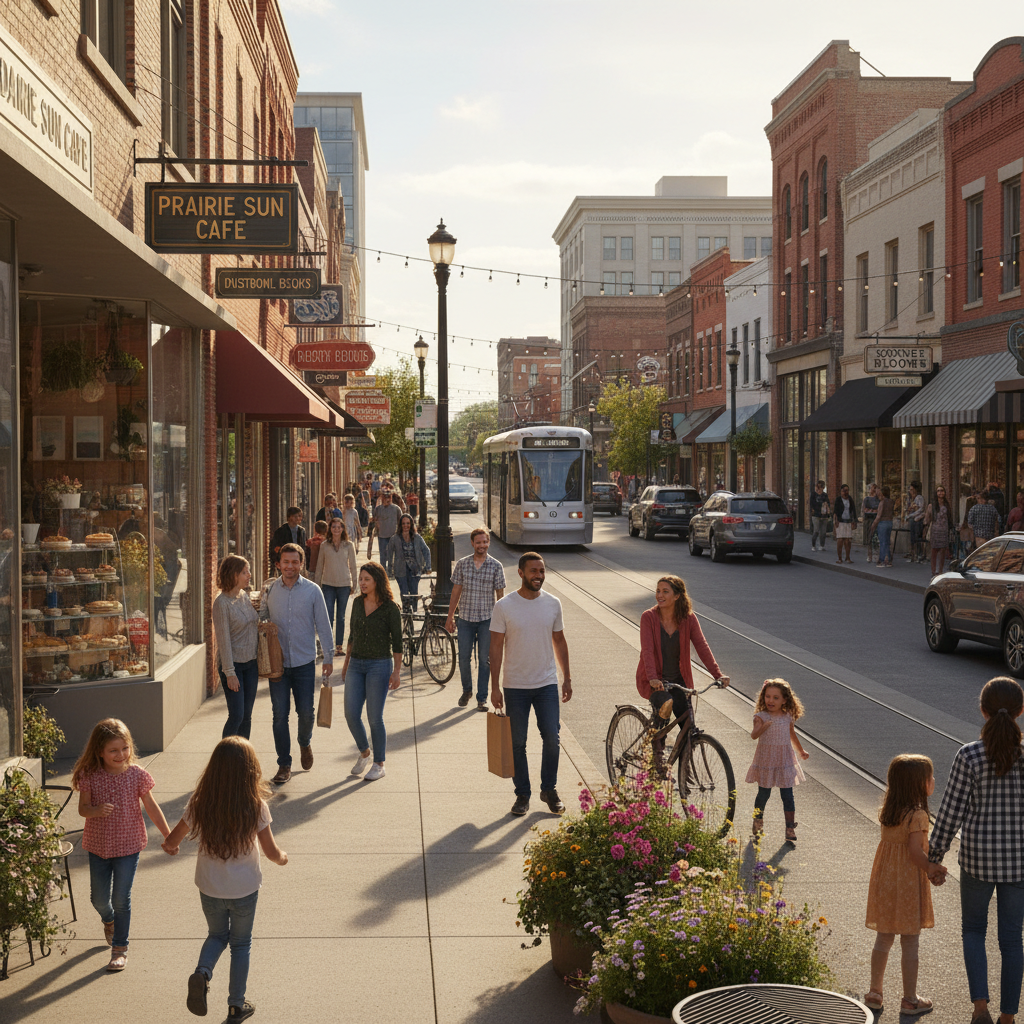
Communities are banding together behind their local companies, fueled by enhanced economic prospects and an increased sense of pride in domestic achievement. Whether it’s a Stillwater café, an Edmond boutique, or a Tulsa tech company, small firms are thriving anew in a post-inflationary atmosphere.
The Road Ahead: Challenges and Opportunities
Though the prognosis is upbeat, Oklahoma is not spared from national or international uncertainties. Geopolitical tensions, supply chain dislocation, and climate-related threats remain potential hurdles. Still, the diversified economy of the state and forward-looking policy initiatives place it well to navigate through future shocks.
The emphasis going forward will probably be on sustaining this momentum while pushing for long-term solution of issues like educational gaps, rural broadband availability, and affordable housing. With careful management, Oklahoma can leverage this inflation relief window as a launching pad to enduring prosperity.
Conclusion: A Resilient and Rising Economy
With easing inflation pressures, Oklahoma is closing a tough economic chapter. With higher consumer confidence, an active job market, and strong business investment, the state is demonstrating its resilience.
More significantly, the effects of this economic transition are being experienced broadly — not merely in statehouses and boardrooms, but at kitchen tables and in community centers. Oklahoma’s reaction to reduced inflation is more than numbers on a line chart — it’s actual people making actual progress.
If this tendency persists, 2025 may be remembered as a year of recovery, rebirth, and new opportunity for the Sooner State.