- calendar_today August 24, 2025
Why The Sandman’s Ending Works So Well
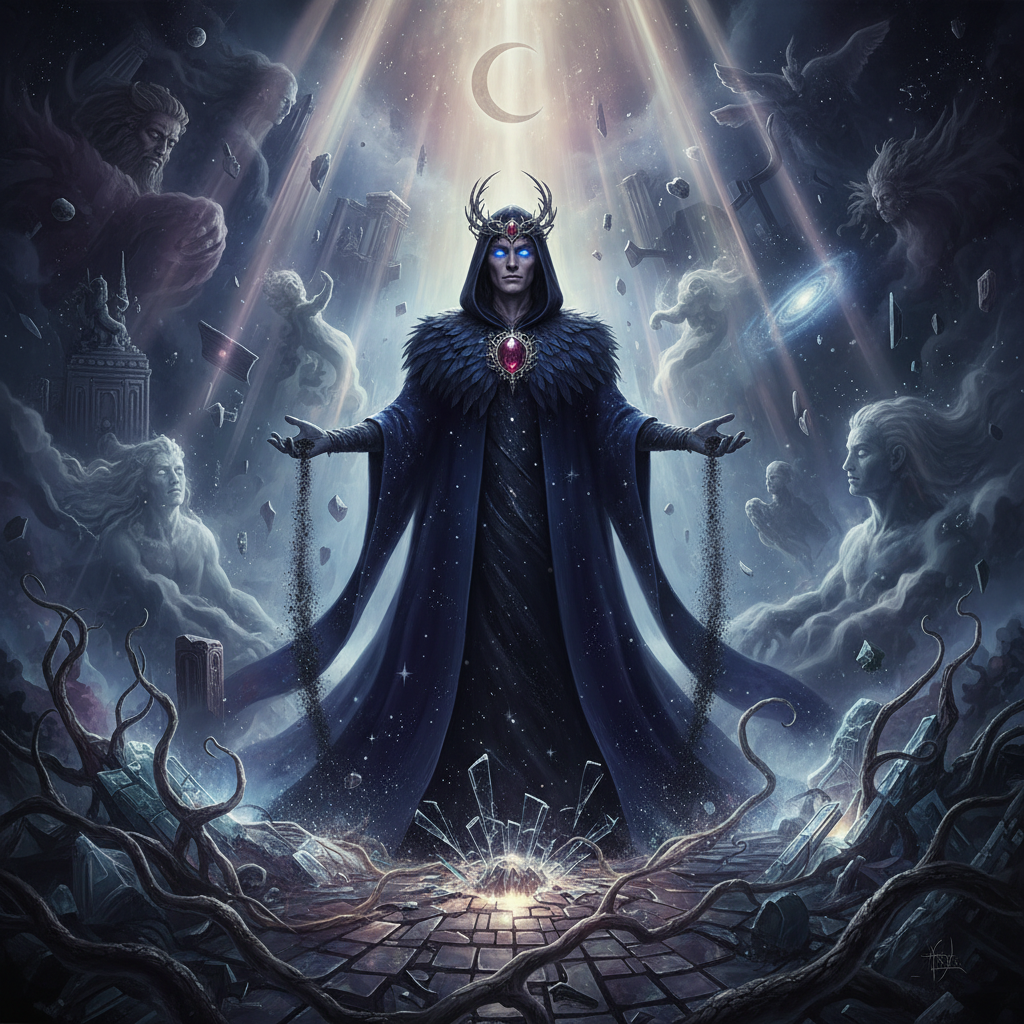
Netflix’s series based on Neil Gaiman’s seminal graphic novel series The Sandman has finally come to a close with the second and final season. Season 1 was an effective adaptation that not only captured the dreamy atmosphere and mood of the source material but was also packed with nods and Easter eggs for Sandman devotees. While the season was an anthology, it kept a running story based on the character arc of the series’ primary character, Morpheus, also known as Dream of the Endless.
In January, Netflix announced that Season 2 would be the final installment of the series, and the news came with some speculation that the change in plans to go from a longer arc to only two seasons might have been related to the accusation of sexual misconduct against Gaiman. The comic book writer, however, has denied the allegations. As for Netflix, showrunner Allan Heinberg has assured fans on X that The Sandman was never set to be longer than two seasons. In a recent interview, Heinberg said the team had determined that the material they had could stretch for two seasons but was no more, and upon reflection, the creative team was right. This is how it plays out when checking how the seasons covered Gaiman’s story.
Season 1 covered Preludes and Nocturnes and The Doll’s House with extra episodes based on “Dream of a Thousand Cats” and “Calliope,” both from the standalone issue Dream Country. Season 2, on the other hand, focuses on material from Seasons of Mists, Brief Lives, The Kindly Ones, and The Wake, with elements from Fables and Reflections including “The Song of Orpheus” and parts of the second-to-last story, “Thermidor,” and the Oscar-winning short story “A Midsummer Night’s Dream” from the earlier-mentioned standalone issue. The bonus episode was based on the 1993 spinoff Death: The High Cost of Living. There are no events from A Game of You nor some short stories included, but these omissions do not make any difference in the Dream King’s main story arc.
Season 1 ended with Morpheus escaping from his long imprisonment, retrieving his stolen talismans and armor, tracking down the escaped Corinthian (Boyd Holbrook), and finally eliminating the Vortex, thus saving Dreaming and Earth from an impending catastrophe. Season 2 sees Morpheus (Tom Sturridge) trying to put Dreaming back to rights, a task cut short when his sibling Destiny (Adrian Lester) summons him and the rest of their family—Death (Kirby Howell-Baptiste), Desire (Mason Alexander Park), Despair (Donna Preston), and Delirium (Esmé Creed-Miles)—for a family intervention of sorts.
Delirium is upset that their brother Destruction (Barry Sloane) has not been around since the days of the Old Gods and hints that the remaining Endless have been neglectful of their duties. She makes it clear that she’s going to visit Destruction to find out what is going on in his new dimension. The other siblings beg Dream to follow her and ensure that their youngest brother is not in any danger. Destiny intervenes and orders Morpheus to locate their former lover Nada (Umulisa Gahiga), queen of the First People and Dream’s ex-wife of sorts, before Delirium’s reunion with Destruction.
This task sets Dream off on a collision course with Lucifer (Gwendolyn Christie), who is still angry that she lost in the wager against Morpheus in Season 1. After many refusals and counter-proposals from Dream, Lucifer makes a shocking announcement: instead of fighting with her brother, she will be quitting Hell and surrendering its key to Morpheus since, as she makes abundantly clear, she is no longer willing to share responsibilities for such an enormous task. She explains that she has emptied Hell and now Dream can choose a new ruler from the many hopefuls vying to take on the duty, like Odin, Order, Chaos, and the fallen angel-turned-demon Azazel.
Delirium’s anxiety that Destruction will return to his realm only adds urgency to Morpheus’ final journey and fate in The Sandman universe, that is, the spilling of family blood and the coming of the Furies.
Highlights, Lowlights, and a Suitable Ending
Production-wise, the show’s high quality has not dropped, with a superb cast and visuals that use the graphic novel artwork as a blueprint to the nth degree. As before, some viewers may find the pace a bit slow, but it is deliberate and an essential element of how Gaiman’s vision works on-screen.
One lowlight, which comes midway through the season, features Morpheus approaching his parents, Time (Rufus Sewell) and Night (Tanya Moodie), to ask for their help with Delirium’s problem. Although this is canonically correct, seeing as how the Endless are their children in the comics, some of the scenes between Morpheus and his progenitors are worded a bit too stiffly, and not even Sewell can do much with them. They also appear a bit forced, as if to recreate a therapist session rather than mythic tragedy.
Standout moments include Lucifer asking Dream to cut off her wings; the goddess Ishtar (Amber Rose Revah) discarding all pretense and just dancing naked as a goddess for the last time; Dream explaining to the great William Shakespeare (Lyne Renée) that he has to finish writing The Tempest; and the reformed Corinthian falling in love with Johanna Constantine (Jenna Coleman). Other notable sequences include Orpheus singing for the love of his life in the Underworld and Dream killing his only son to spare him from a worse fate and the Furies’ awesome wrath, which reduces Fiddler’s Green (Stephen Fry), Mervyn Pumpkinhead (Mark Hamill), and Abel (Asim Chaudhry) to ash.