- calendar_today August 20, 2025
Oklahoma, long known for oil and gas, is undergoing a quiet but meaningful transition toward renewable energy and advanced manufacturing. With rising wind and solar capacity, increasing clean-tech investments, and infrastructure support for EVs, Oklahoma is becoming a key player in America’s energy diversification. But does Fisker Inc. (NYSE: FSR), a startup electric vehicle (EV) maker with a volatile performance record, offer real potential for long-term investors in the Sooner State?
By mid-2025, Fisker found itself at a crossroads. Its Ocean SUV, praised for its design and sustainability features, has seen production delays and delivery issues. Yet as Oklahoma strengthens its clean energy credentials—ranking among the top states in wind generation and expanding grid innovation—the company’s alignment with broader trends may warrant closer regional consideration.
A 2025 Crossroads for Fisker
Fisker entered 2025 with more questions than answers. Its stock had plummeted below $1.3 billion in market capitalization, a significant fall from its 2021 highs. Though the company maintains a sustainability-first image and a compelling product roadmap—including the upcoming Pear compact EV and Alaska pickup—investors have grown wary of missed production milestones and liquidity pressures.
For Oklahoma investors—many of whom are steeped in the energy industry or adjacent sectors—the broader implications matter. The state’s economy is diversifying through wind farms, EV charging corridors along major interstates, and growing public-private investment in grid modernization. However, Fisker’s reliance on outsourced production via Austria’s Magna Steyr, and the absence of U.S.-based manufacturing raises red flags given its ineligibility for many Inflation Reduction Act (IRA) tax credits.
Forecasting Fisker’s 2030 Price Path
Analysts outline three key trajectories for Fisker’s stock through 2030:
Bull Case: If Fisker meets production goals, successfully launches the Pear and Alaska, and scales to 200,000+ annual vehicle sales, revenue could reach $6–$8 billion. This could push share prices to $25–$30. For Oklahoma investors increasingly interested in clean-tech plays, this outcome aligns with the state’s growing renewables market and transportation transition.
Base Case: With more tempered growth—75,000 to 100,000 annual units and $3–$4 billion in revenue—Fisker stock could land between $8 and $12. In Oklahoma, where diversified energy portfolios are taking shape, this scenario may appeal to forward-looking portfolios willing to embrace moderate risk.
Bear Case: Continued production issues and capital challenges could keep Fisker stuck in neutral, with stock hovering between $3 and $5. In this case, Oklahoma’s value-focused investors—particularly in Tulsa or Enid—may opt for better-established players in the clean vehicle space.
Industry Context: Oklahoma’s Energy Transition and the EV Push
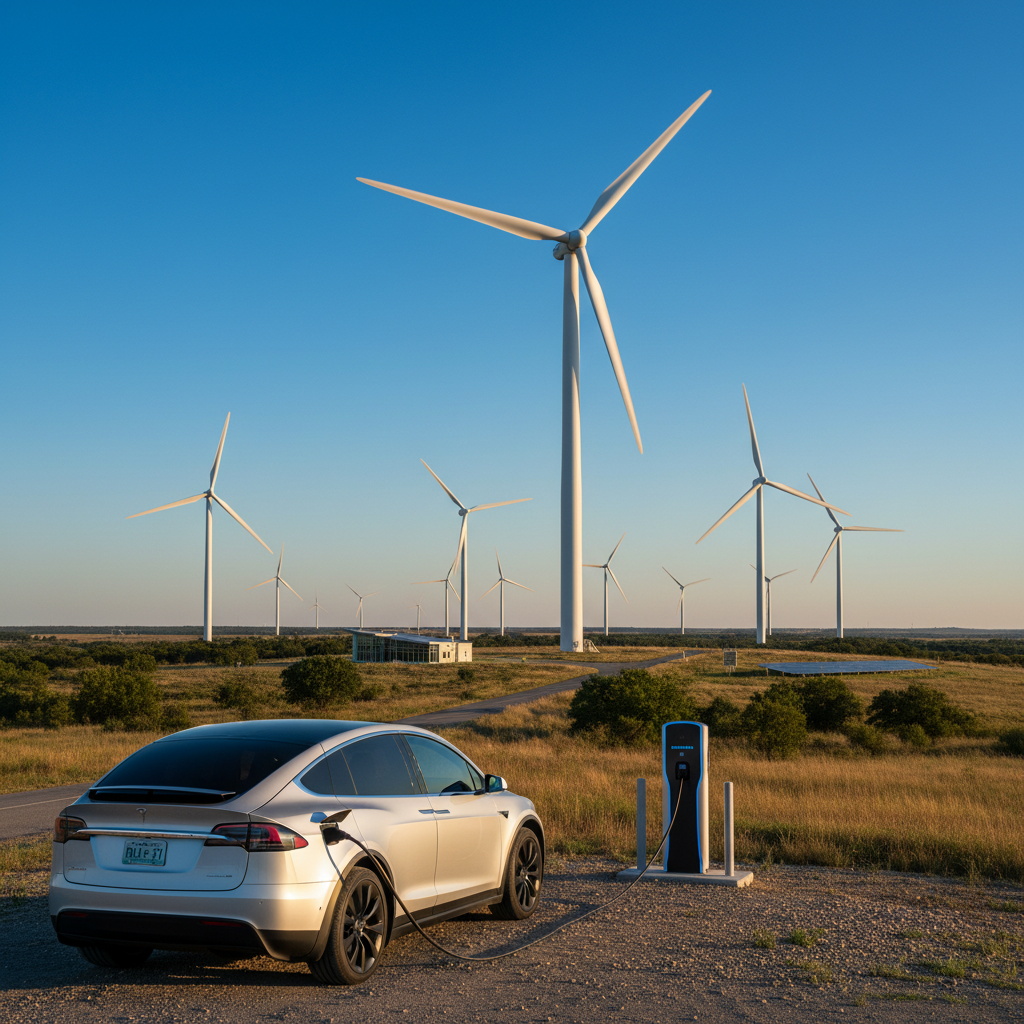
Oklahoma ranks among the top states in wind energy generation and is expanding solar and hydrogen production. The state is also part of key regional initiatives like the I-35 EV charging corridor, supported by federal funds under the National Electric Vehicle Infrastructure (NEVI) program.
Though Fisker has no current manufacturing presence in Oklahoma, the state’s logistics infrastructure, low-cost electricity, and energy workforce make it a potential contender for future North American operations. Manufacturing giants like Canoo and electric grid innovators like OG&E are already anchoring this transition.
For Oklahoma to benefit from Fisker’s potential, the company may need to realign its production strategy toward U.S.-based facilities—a move that would bring it closer to the state’s growing clean manufacturing base.
Investor Sentiment and Oklahoma’s Market Climate
Investor confidence in Fisker has waned due to operational setbacks. However, Oklahoma’s investing community—particularly institutional energy funds and family offices—is beginning to explore clean-tech stocks as long-term alternatives to traditional fossil-fuel investments.
In Oklahoma City and Norman, where university-led research on sustainable energy is expanding, younger investors and sustainability-minded professionals may view Fisker as an ESG-aligned opportunity—if the company can stabilize its production timeline and secure North American partners.
Looking Ahead: The Road to 2030
Oklahoma’s clean energy economy is real and growing. With abundant wind and solar resources, a favorable tax environment, and increasingly EV-ready infrastructure, the state is moving toward a more diversified energy future.
Fisker’s ability to deliver on its promises—especially the Pear in 2026 and a possible U.S. production shift—will be key to regaining investor trust. For Oklahomans with a growing interest in renewables and clean vehicles, the stock presents a speculative but potentially rewarding opportunity.
The bottom line? Fisker must prove it can scale efficiently, manage capital, and meet delivery targets. If it can align with domestic production trends—possibly in states like Oklahoma that offer energy-rich, cost-competitive environments—it may graduate from a speculative EV stock to a long-term growth asset for clean energy-focused portfolios.