- calendar_today August 23, 2025
Google has set a forward-thinking path for its smart home ecosystem which represents a major development for the Google Home app. Google simultaneously works to bring Nest devices fully into the Home app while implementing an overhaul that will make the user experience simpler and better. The core of this transformation comes from a profound and widespread integration of Gemini AI that creates a future of seamless control and intelligent automation for smart homes. The expanded third-party device support via Home API together with these developments create the foundation for a comprehensive smart home system that anticipates user needs.
The Google Home app functions as the main control point for users operating various smart devices including Google’s cameras and thermostats as well as an expanding range of third-party products. The process of managing diverse smart devices remains feasible yet the complexity involved presents significant obstacles. Google maintains that integrating artificial intelligence through Gemini will unlock enhanced user experiences and seamless smart home environments.
Gemini’s Expanding Reach and Enhanced Automation
The development of this AI-enabled smart home environment started last year when Google Home conducted its first tests of Gemini integrations. Google currently enables wider access to Gemini functionality which now reaches an expanded list of third-party devices through the Home API. The current development marks an essential move to create a smart home environment that supports full interoperability. Google collaborated closely with a chosen number of partners to integrate their devices before releasing them to the public.
Here’s a list of the initial third-party devices now enjoying enhanced integration capabilities:
- First Alert smoke/carbon monoxide detector now serves as a replacement for the discontinued Nest devices from Google.
- Yale smart lock serves as a replacement for the former Google Nest devices.
- Cync lighting
- Motorola Tags
- iRobot vacuums
The primary feature of this Gemini expansion stands out as its ability to transform how smart home automation systems operate. Through its Labs program, Google has improved these features so users can use conversational AI to develop complex routines very easily. You could tell Gemini to “Set up package delivery reminders” or “Create a system to spot unwanted animals in my garden” so the AI can establish necessary automation without you having to navigate through multiple menus. Natural language interaction will break down technical barriers to smart home automation and open it up to everyone.
Gemini now supports the automation API which enables it to detect a wider array of smart home devices and provide more intelligent recommendations for automation tasks. Google has announced that the expansion of Gemini will introduce more triggers that respond to real-world conditions including:
- Specific dates
- Prevailing weather patterns
Home automation systems will gain additional sophistication and relevance through this feature enhancement.
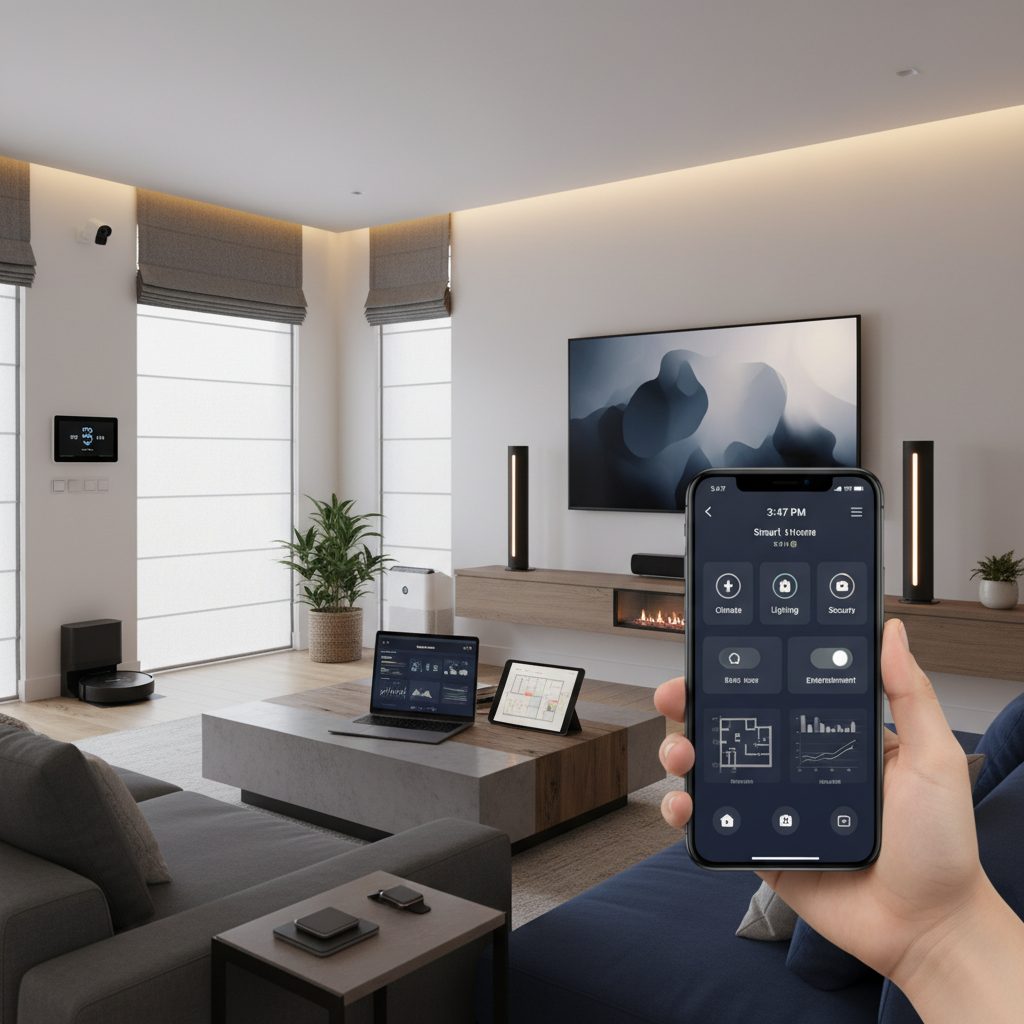
The advanced nature of current smart home systems frequently hides the actual events occurring inside your home. Google Home’s “favorites” page simplifies user interaction yet Google brings forth a new tool to deliver more instant and comprehensible information. The Home Summary Widget delivers live updates and insights about your connected home ecosystem directly through your Android device. The dynamic widget provides proactive alerts for package deliveries at your doorstep and situations where lights remain on after leaving. The accessible snapshot information creates assurance while improving the active management of your home environment.
The innovative Home Summary Widget is in the testing phase with a select group of Pixel phones. Google plans to expand access to its Labs program soon so a larger group of users can test the feature and submit feedback. Google keeps a reserved attitude regarding its plans for a general public release and will not make definite commitments at this time. The methodical procedure indicates Google’s dedication to extensive testing and improvement before launching on a larger scale.
Google Home developers interested in new API capabilities and ecosystem contributions should subscribe to Google’s smart home developer newsletter. The early access program for these new capabilities starts later this year while developers who subscribe will stay informed and receive updates in a timely manner. The message is clear: Google invites developers to actively participate in shaping intelligent living while refining its smart home product range. Under Gemini’s leadership and with a renewed focus on open standards Google Home is set to provide an experience that makes smart homes more automatic and intuitive for all users. Google demonstrates its dedication to smart home development through its ongoing efforts to achieve advanced integration with intuitive controls and proactive insights which enable seamless daily operation.