- calendar_today August 13, 2025
Increasing Global Costs Have Local Automotive Sector Impacts
Introduction
Acting on increasing input costs globally, Maruti Suzuki, the largest Indian carmaker, announced a 4% increase in prices for all vehicle models from April 2025. This announcement straightaway has an impact on India but its spillover effects are already being experienced globally—yes, even in Oklahoma’s automobile sector.
As global supply chains become more integrated, the effects of global pricing decisions touch regional economies even more. For Oklahoma, a state with strong vehicle sales, dealership networks, and increasing participation in parts manufacturing and distribution, the effects of such shifts are gaining notice throughout the industry.
Impact on Oklahoma’s Auto Market
Oklahoma, with its strategic central location and strong transportation infrastructure, plays a vital role in auto sales and logistics. Here’s how Maruti Suzuki’s announcement may influence the local market:
1. Supply Chain Adjustments
Global surges in material prices—especially steel, aluminum, and electronics—may increase the cost of production for automakers and suppliers in Oklahoma. Even those manufacturers who do not directly import from India will have cost pressure because of heightened global demand and decreased availability of material.
2. Price Sensitivity Among Consumers
Oklahoma’s car buyers, who are often budget-conscious and price-sensitive, could feel the pinch if other international manufacturers also raise prices. This would result in lower sales, higher demand for certified pre-owned vehicles, and more demand for low-cost financing.
3. Export and Trade Concerns
Certain Oklahoma-based businesses engaged in exporting auto components might experience demand fluctuations or tougher price negotiations with foreign customers. Such changes might impact revenues and production timelines for local suppliers.
Drivers of the Global Price Spurt
The increased costs, which forced Maruti Suzuki to take action, are not unique. Global automobile analysts pinpoint a number of driving factors behind price hikes globally:
– Inflationary Pressures
From labor and logistics to raw materials, nearly every part of vehicle production has experienced increased costs. Inflationary forces are compelling global manufacturers to review pricing strategies to remain profitable.
– Continued Supply Chain Disruptions
The post-pandemic shipping delays of global shipping, microchip shortages, and sky-high container prices continue to haunt manufacturers. Those ongoing supply-related issues have caused delivery times to be extended and overhead for auto manufacturers to increase.
– Shifting Market Dynamics
As international automakers are under pressure to stay competitive, they can scale their offerings with fewer discount levels, less inventory, or more varied pricing schemes, especially in price-conscious markets like Oklahoma.
Oklahoma’s Response to the Price Increase
Industry leaders and automobile dealerships in Oklahoma are already proactive in addressing possible risks and preserving buyer confidence:
– Finding Alternative Suppliers
To manage costs and prevent reliance on unstable international markets, indigenous producers are looking into local sourcing and broadening the base of suppliers. This approach may help stabilize prices over the next few months.
– Providing Greater Incentives
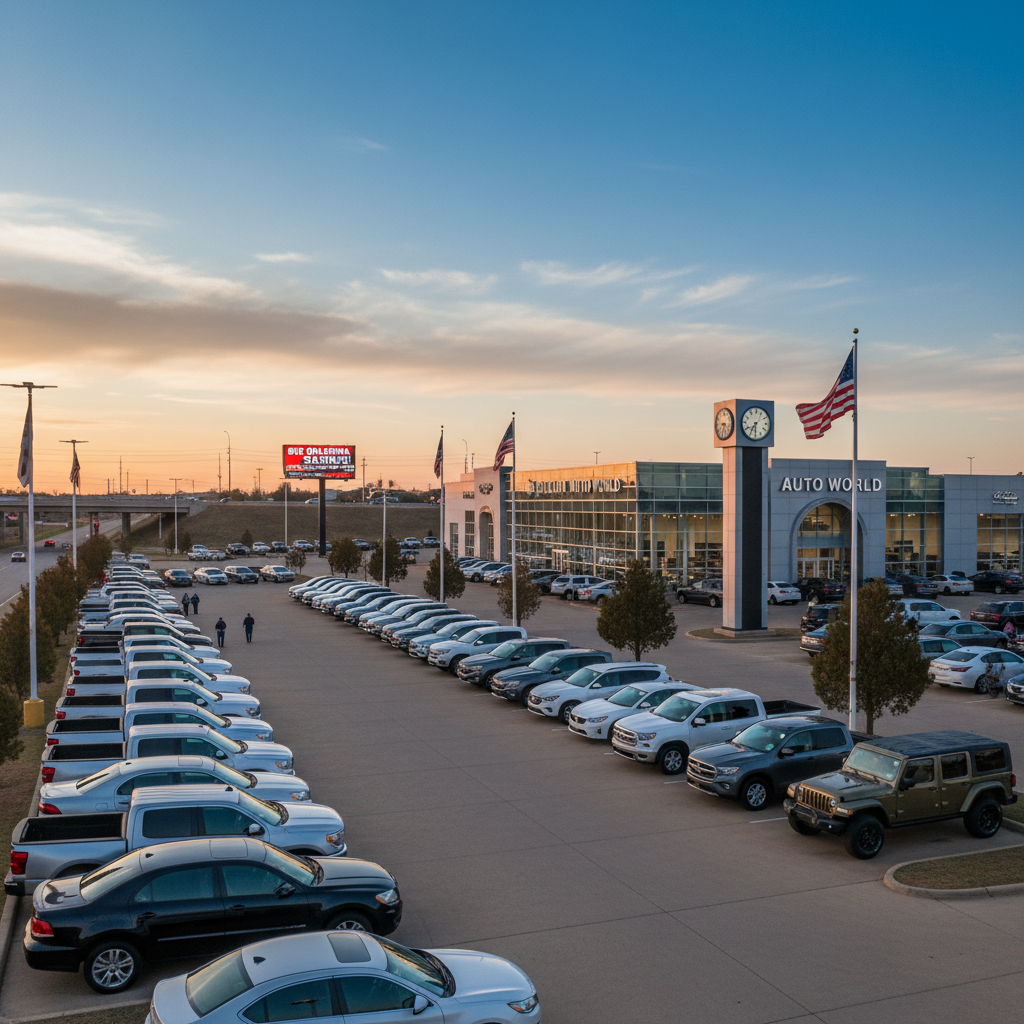
Oklahoma dealerships are likely to launch more aggressive financing deals, reward loyalty, and offer seasonal incentives to ensure affordability for customers even as base prices increase.
– Closely Observing Consumer Behavior
Market analysts in Oklahoma are closely monitoring shifts in buyer tastes—most notably the growing demand for electric vehicles (EVs), hybrids, and fuel-efficient cars. These observations will inform future inventory and pricing decisions.
Future Outlook for Oklahoma’s Auto Industry
While Maruti Suzuki’s action might appear geographically remote, it is a part of a larger pattern in the international automobile economy. Consequently, the auto market of Oklahoma needs to stay nimble, data-focused, and dedicated to long-term stability.
During the coming months, we will see:
- Increased shifts in auto price models for vehicles
- More emphasis on car sales through digital means and touchless buying practices
- Increased interest in green alternative vehicles and budget-friendly used automobiles
- Potential production slowdowns or delays if material shortages persist
Through strategic partnerships, operational efficiency, and consumer-focused solutions, Oklahoma’s automotive industry is well-positioned to navigate the challenges posed by global price fluctuations.
Conclusion
Maruti Suzuki’s 4% price hike serves as a reminder of how interconnected the global auto industry has become. Even regions like Oklahoma, far from India, are not immune to the ripple effects of rising material costs and supply chain constraints.
With proactive measures in place—from diversification of sourcing to increased consumer incentives—Oklahoma’s automotive industry is gearing up for a changing economic landscape. Both consumers and businesses need to remain informed and responsive as they adjust to the realities of a changing global marketplace.