- calendar_today August 9, 2025
As the 2025 U.S.–China trade tensions intensify, Oklahoma’s economy—rooted deeply in energy and agriculture—is feeling the pressure. From wheat exports to natural gas infrastructure, the global conflict has amplified risks for producers, policymakers, and investors across the Sooner State.
The recent tariff hikes by President Trump and China’s retaliatory measures have sent ripple effects across Oklahoma’s supply chains. While national attention focuses on coastal tech sectors, Oklahoma’s rural producers and energy firms are also battling a volatile global climate—and preparing for a shift in direction.
The Tariff Toll on Oklahoma: Key Impacts
1. Agricultural Exports Hit Hard
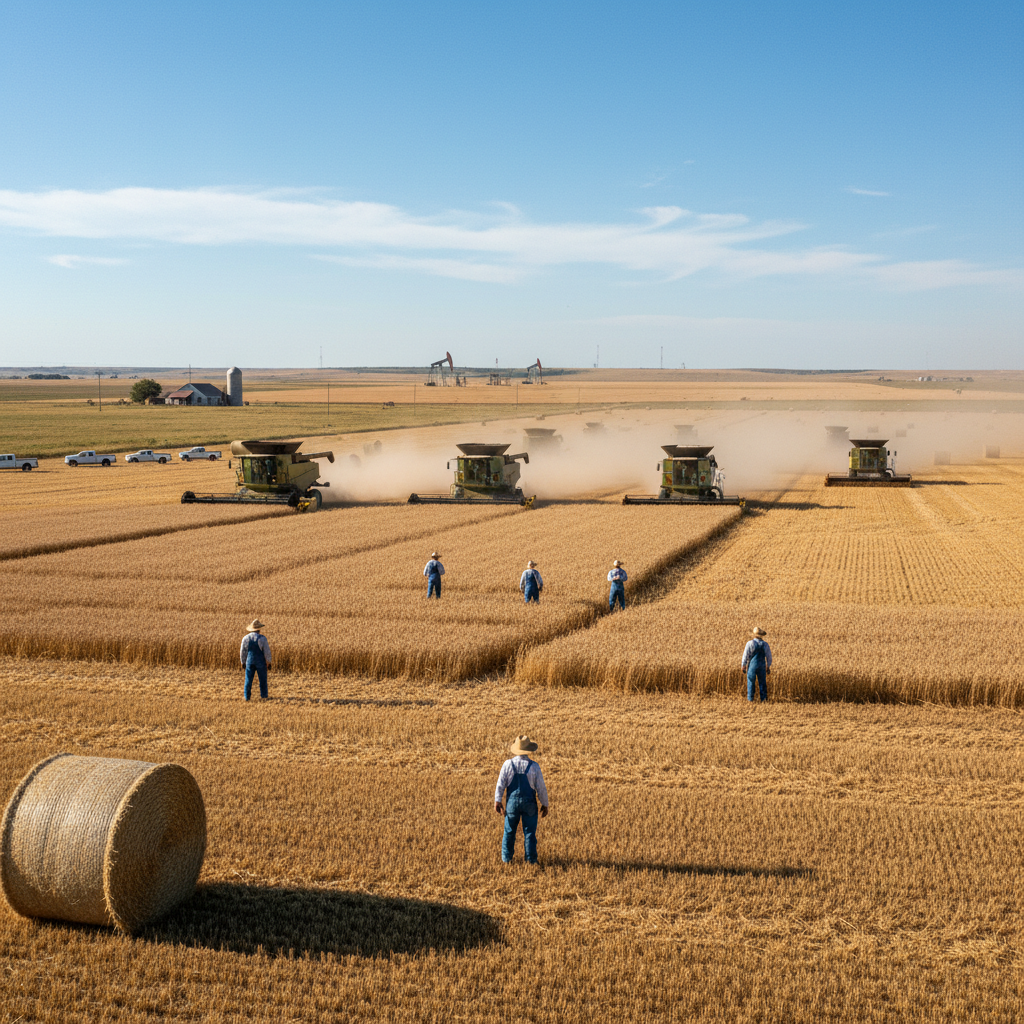
Wheat, soybeans, and beef—three of Oklahoma’s top exports—are now subject to China’s 34% retaliatory tariffs. According to the Oklahoma Department of Agriculture, wheat exports to China have dropped by over 58% year-over-year, pushing many farmers into financial uncertainty.
2. Energy Markets Face Uncertainty
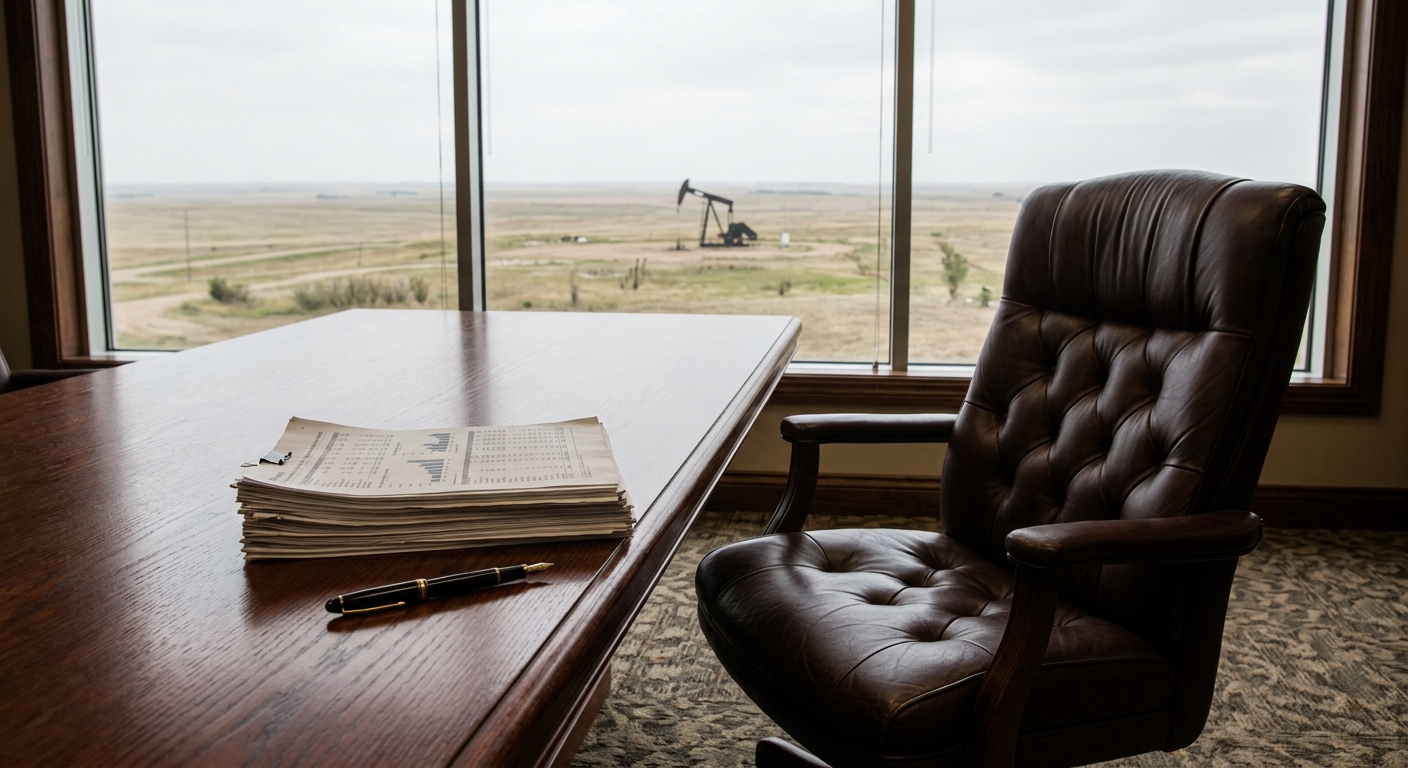
Oklahoma’s natural gas and crude oil sectors are affected by rare earth mineral export controls from China, impacting the import of high-efficiency turbines and smart grid components. Energy companies in Tulsa and Enid are exploring new suppliers in Australia and Canada.
3. Manufacturing in Transition
Oklahoma’s small but growing aerospace and electronics manufacturing sector—centered around Oklahoma City—relies on imported semiconductors. With supply constraints and higher costs, many firms are shifting to domestic parts or pausing expansion plans.
Regional Resilience: How Oklahoma Is Responding
Despite economic tremors, Oklahoma is adjusting. State policymakers and private industry are taking strategic steps to stabilize and strengthen key sectors.
- Agri-Cooperative Investment:
Farmer co-ops across the Panhandle are pooling resources to invest in domestic grain processing, increasing local value before products hit global markets. - Energy Diversification:
The state is accelerating development of wind energy and hydrogen pilot projects, reducing reliance on imported tech and diversifying revenue streams. - Infrastructure Grants:
Federal support under reshoring incentives is bringing in new investment for logistics hubs in Lawton and Ardmore, improving agricultural and energy export efficiency.
Smart Investment Moves for 2025: Oklahoma Focus
Investors tied to Oklahoma’s economy—or seeking new regional opportunities—can navigate this landscape with tactical pivots:
- Invest in Regional Infrastructure Funds
Support logistics, rail, and storage projects tied to Oklahoma’s inland exports. Look for bond-backed opportunities linked to state development programs. - Energy REITs & Renewables
Oklahoma’s wind corridor is attracting funding. Renewables-based REITs and green energy startups are solid plays amid shifting supply chains. - Agribusiness ETFs
U.S.-based agribusiness ETFs with exposure to domestic processors and storage infrastructure are increasingly appealing to investors avoiding global volatility. - Local Manufacturing Growth
Small-cap manufacturing firms in Oklahoma investing in domestic robotics and AI tools to reduce overseas dependencies may outperform national peers.
Oklahoma’s Quiet Strength in a Noisy World
Oklahoma may not grab headlines like Wall Street or Silicon Valley—but the Sooner State’s disciplined, resource-rich economy is quietly adapting to the new world order.
As the global trade war between the U.S. and China escalates, investors should not overlook the economic transformation underway in places like Oklahoma City, Tulsa, and rural farm towns. Regional innovation, federal investment, and grassroots economic resilience will shape the next decade—and those who recognize this early will be best positioned for long-term gains.