- calendar_today August 8, 2025
Rising Costs and Supply Chain Disruptions Challenge High-End Auto Sales in Oklahoma
Trump’s trade policies, including tariffs on European and Chinese luxury imports, are reshaping Oklahoma’s luxury auto market, leading to higher costs and shifting consumer preferences.
Oklahoma’s Luxury Auto Dealers Face Economic Struggles
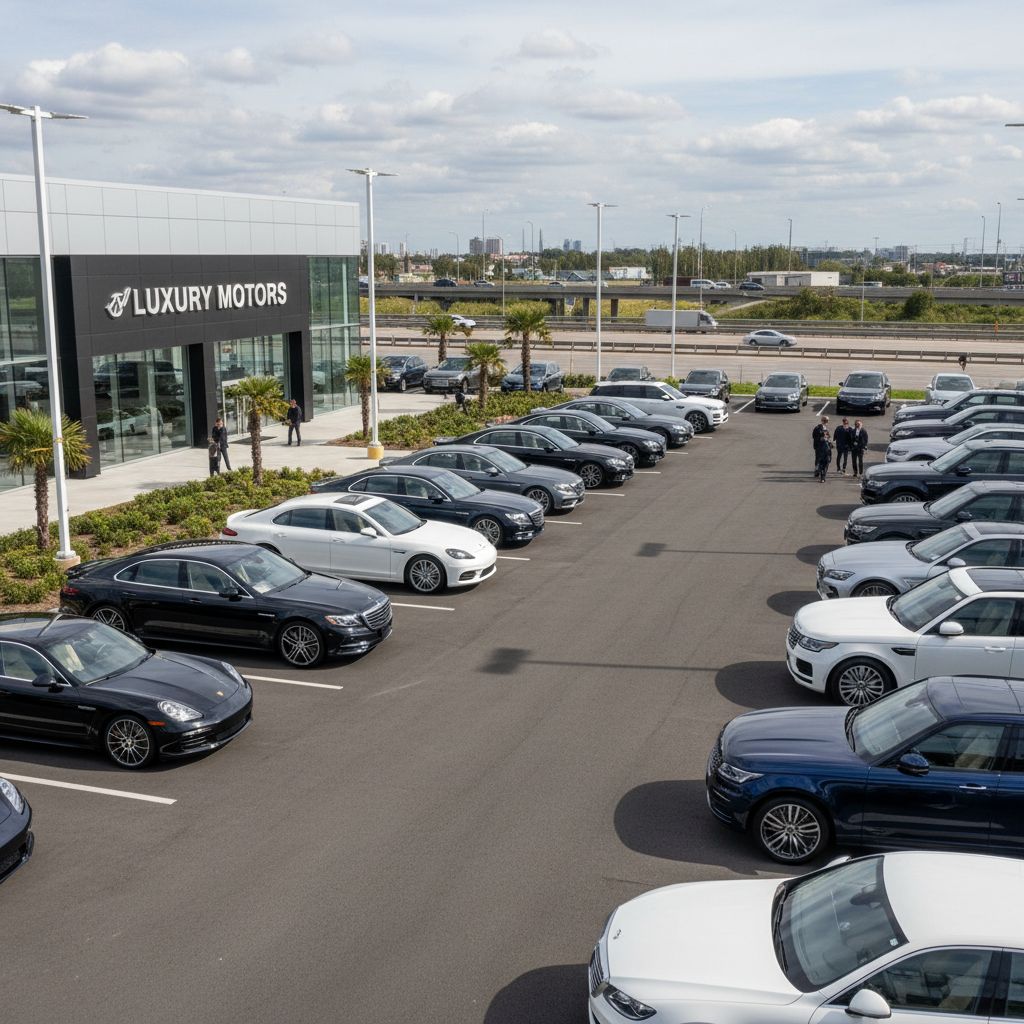
Luxury auto dealerships across Oklahoma are grappling with the lasting impact of former President Donald Trump’s trade policies, which continue to affect the market in 2025. Tariffs on European and Chinese vehicle imports have disrupted supply chains, inflated vehicle prices, and forced dealerships to find new ways to remain competitive.
Cities like Oklahoma City and Tulsa, which have historically been strong luxury auto markets, are seeing reduced sales volumes as higher costs discourage potential buyers. Brands like Mercedes-Benz, BMW, and Porsche are facing significant challenges, with rising import fees driving up sticker prices and slowing demand.
European and Chinese Imports Suffer from Tariffs
Trump’s administration implemented tariffs on a broad range of imported vehicles and auto parts, particularly those from Europe and China. While designed to reduce trade deficits, these policies have significantly impacted Oklahoma’s luxury auto sector, making high-end imports less accessible to consumers.
German automakers, including BMW and Mercedes-Benz, have seen rising costs that directly affect dealership pricing. Meanwhile, Chinese luxury electric vehicle (EV) manufacturers such as Nio and Polestar are struggling to establish themselves in the state due to steep import tariffs.
Shifting Consumer Preferences Amid Higher Prices
Oklahomans, particularly in affluent neighborhoods of Nichols Hills and Edmond, have traditionally favored European luxury cars. However, with prices rising 10-20% since the tariffs took effect, many buyers are exploring alternative options. Some are delaying new car purchases, while others are turning to certified pre-owned (CPO) vehicles or domestic luxury models to mitigate costs.
Industry analysts note that financing luxury vehicles has also become more expensive, as higher purchase prices lead to larger loan amounts and increased monthly payments. While some automakers have introduced aggressive leasing incentives to offset these costs, they have not been enough to fully counteract the market’s challenges.
Domestic and Electric Vehicles Gain Popularity
As tariffs continue to shape the market, domestic luxury brands like Cadillac and Lincoln are seeing a resurgence in demand. These American-made alternatives are not subject to the import-related price hikes, giving them a competitive advantage in Oklahoma’s market.
Tesla has also emerged as a major winner in this shifting landscape. Oklahoma dealerships report that Tesla’s high-end electric models, such as the Model S and Model X, are gaining popularity due to their relative pricing stability. With production based in the U.S., Tesla avoids the tariffs that have increased costs for European and Chinese competitors.
Future Trade Policy Uncertainty
Although President Biden’s administration has adjusted some aspects of Trump’s trade policies, many tariffs remain in place. Oklahoma’s auto industry stakeholders are closely monitoring potential trade negotiations to determine if future adjustments could provide relief for luxury auto dealerships.
In the meantime, dealerships are navigating an uncertain economic climate, balancing rising costs, changing consumer preferences, and geopolitical trade concerns. Automakers that focus on local production, innovative financing solutions, and strategic pricing will be best positioned to thrive in Oklahoma’s evolving luxury auto market.
Conclusion
Trump’s trade policies have left a lasting mark on Oklahoma’s luxury car market. While dealerships continue to struggle with higher import costs, many are shifting their focus to domestic brands and electric vehicles to remain competitive. As the industry adapts, both auto dealers and consumers must adjust to a changing luxury auto landscape in Oklahoma.