- calendar_today August 12, 2025
Oklahoma City and Tulsa Lead the Market
Oklahoma’s largest metros, Oklahoma City and Tulsa, continue to drive real estate activity in 2025. Both cities benefit from diverse economies anchored by energy, aerospace, and healthcare sectors.
The Oklahoma Real Estate Commission reports a 3.8% increase in home sales in February, with strong price appreciation in suburbs such as Edmond and Broken Arrow.
Build-to-Rent Developments Gain Traction
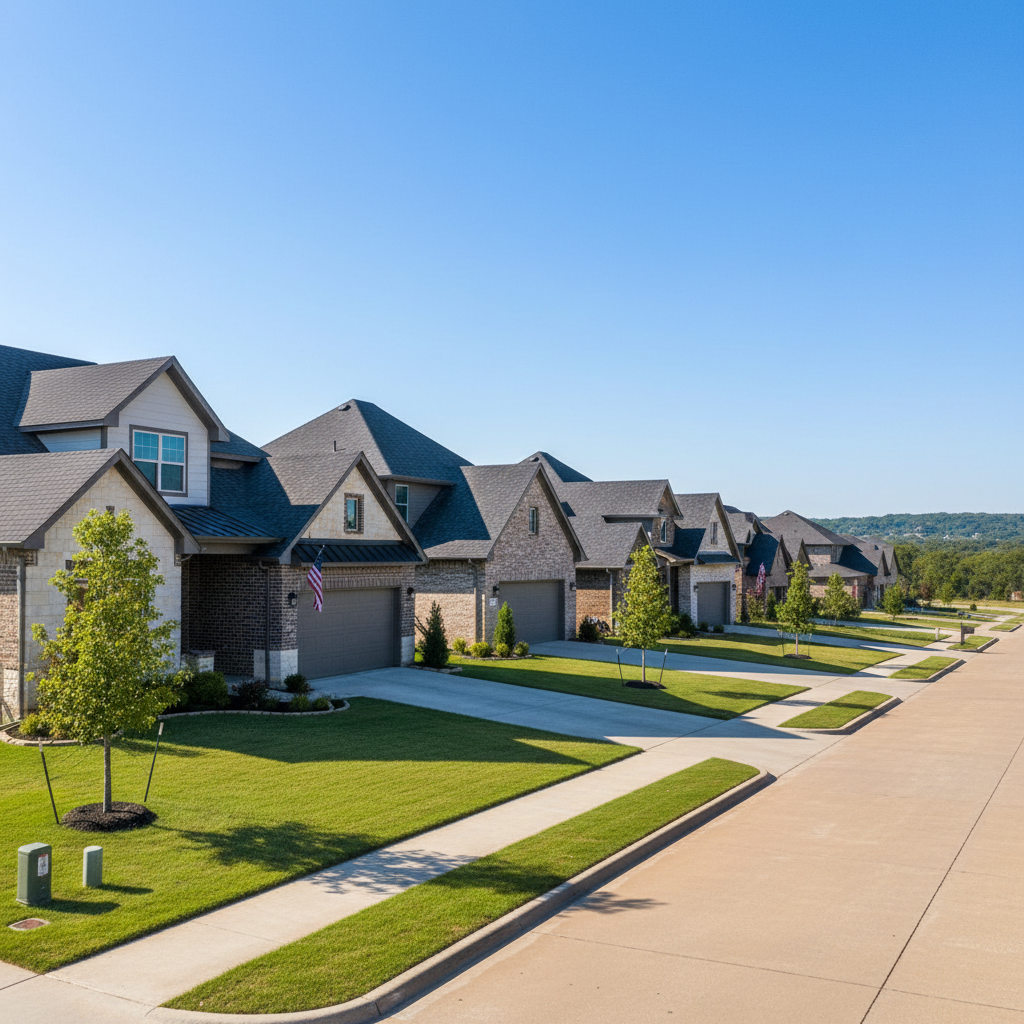
Build-to-rent (BTR) communities are growing in popularity across Oklahoma’s expanding suburbs and smaller cities. Projects in Norman, Moore, and Owasso offer rental homes designed for flexibility and community living.
Developers note rising demand from millennials, young families, and transient workers drawn by Oklahoma’s affordability and quality of life.
Secondary Markets Offer Value
Smaller cities like Lawton and Bartlesville present attractive investment opportunities due to low entry prices and steady rental demand. Investors focus on multifamily units and renovation projects aimed at workforce housing.
Mortgage Rates and Affordability Support Demand
With mortgage rates near 6%, Oklahoma’s relatively low home prices—often below $225,000—keep housing accessible for many buyers. This supports a balanced market with strong rental occupancy rates in key regions.
Commercial Real Estate Trends
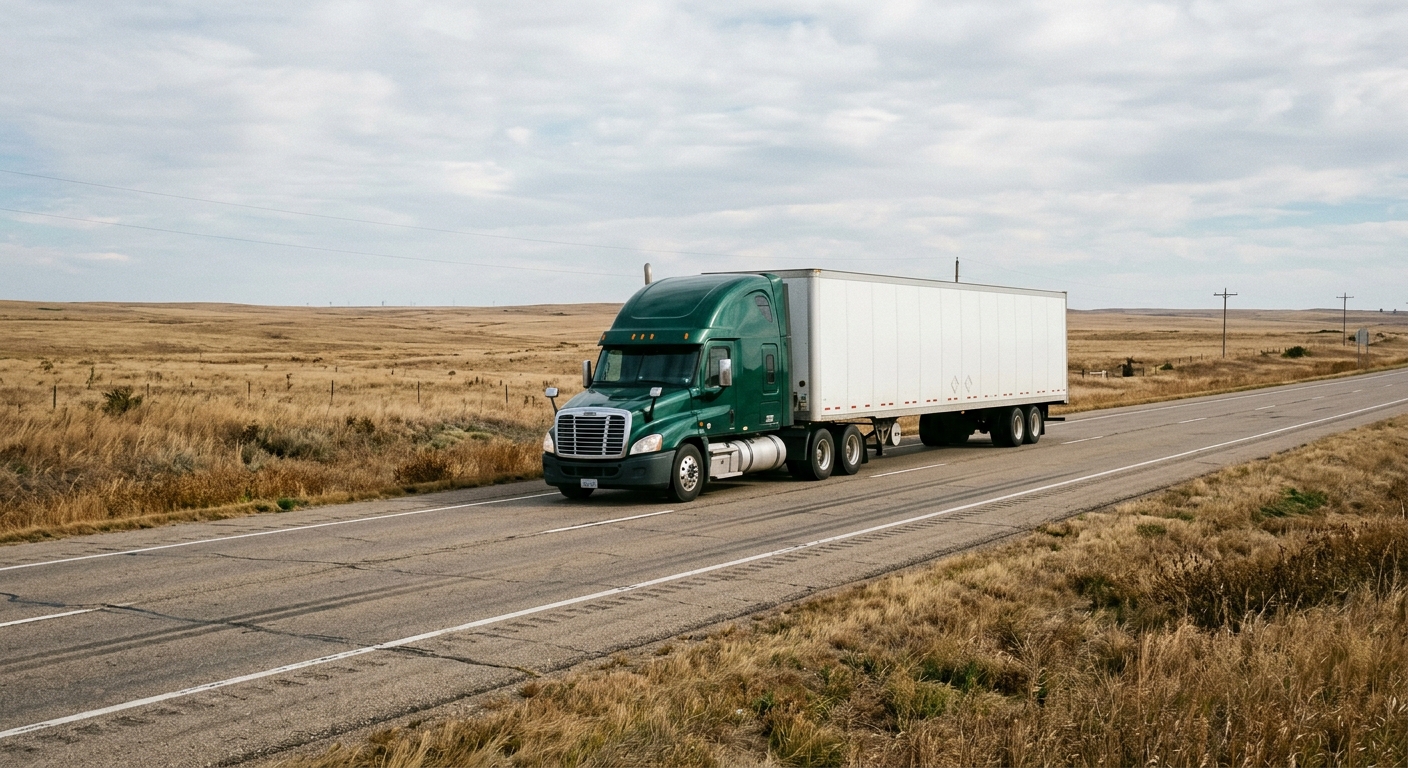
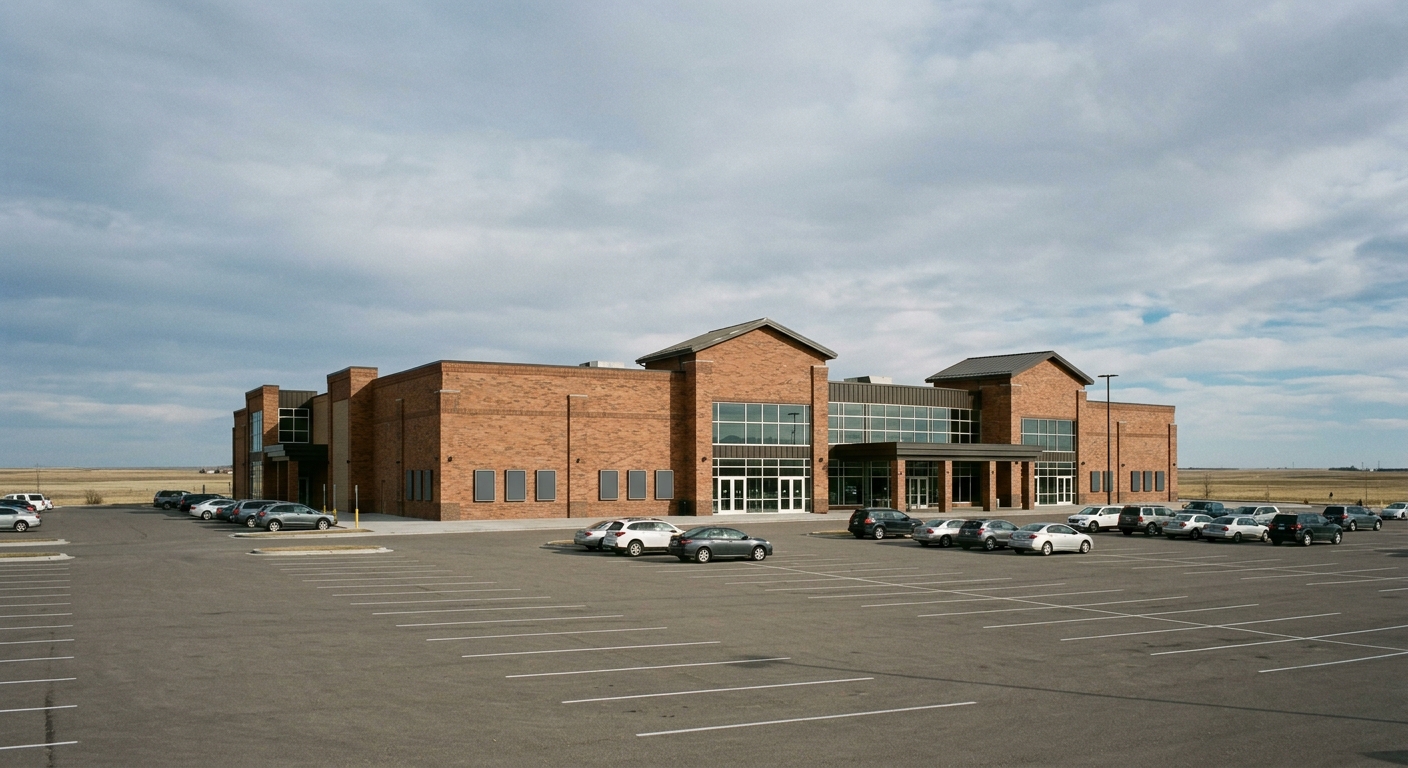
Oklahoma’s commercial market shows resilience. Industrial real estate near Tulsa and Oklahoma City thrives due to logistics and energy sector needs. Office vacancies remain elevated downtown but are lower in suburban business parks.
Retail properties are shifting toward mixed-use development, blending residential and commercial spaces to meet evolving consumer preferences.
REITs and Funds Provide Investment Access
REITs with holdings in Oklahoma’s residential and industrial sectors offer passive investors exposure to regional growth. Funds like Vanguard Real Estate ETF (VNQ) provide diversified portfolios including key Oklahoma assets.
What to Watch in Oklahoma Through 2025
Key factors include:
- Infrastructure improvements enhancing suburban connectivity
- Population growth in exurban areas
- State policies encouraging affordable housing development
- Environmental concerns such as tornado preparedness and flood zones
Subscribe to the Sooner State Real Estate Report for detailed market insights and investment updates.