- calendar_today August 12, 2025
Oklahoma’s real estate landscape is undergoing a quiet revolution in 2025, fueled not by new construction alone—but by artificial intelligence. With AI-driven tools now integrated into property platforms, mortgage services, and even smart homes, buyers across the Sooner State are experiencing faster, smarter, and more personalized transactions.
In metro areas like Oklahoma City and Tulsa, AI is helping both first-time buyers and seasoned investors cut through the noise. In smaller cities like Norman and Lawton, it’s leveling the playing field by offering market insights once limited to big-budget players. And statewide, where affordability remains a selling point, AI is helping buyers compete in a market increasingly driven by speed, data, and customization.
Here are the key ways AI is reshaping Oklahoma’s real estate market in 2025.
1. Precision Search Tailored to Oklahoma Buyers
Gone are the days of endlessly scrolling listings. AI-enhanced platforms like Zillow, Redfin, and Oklahoma-based apps are using machine learning to filter and recommend properties based on behavior—not just static filters.
A buyer in Edmond looking for a “modern ranch home near top-rated schools under $300K” can get curated results. Someone relocating to Tulsa for aerospace work may receive listings near major employers, traffic patterns, and even walkability scores.
Because these systems learn from user interactions, the more buyers search, the more relevant—and localized—the recommendations become. AI also integrates local weather data, commute times, and zoning information to deliver context-rich options across Oklahoma’s diverse regions.
2. Generative AI Is Powering Listings and Staging
In 2025, Oklahoma listings are becoming more dynamic and visually compelling thanks to AI. Generative AI tools help agents craft property descriptions that highlight unique features based on buyer interest.
For example, a home in Stillwater near Oklahoma State University might emphasize student-friendly amenities, while a luxury home in Nichols Hills could have AI-generated renderings showcasing potential remodels or custom decor.
AI staging—used to simulate virtual furnishings and renovations—has become particularly valuable in rural or partially developed areas. Buyers can now see how an empty plot in Yukon might look with a farmhouse-style build, or how an older home in Midwest City could transform with modern updates.
3. Speedier Mortgage Approvals with AI Underwriting
One of the most impactful AI applications in Oklahoma real estate is in mortgage processing. Lenders across the state are turning to AI to automate the approval pipeline—cutting down preapproval times from days to hours.
These AI systems analyze employment history, tax filings, and spending habits to evaluate creditworthiness in real time. This is a game-changer in competitive areas like Oklahoma City, where median home prices are up 7% year-over-year and homes are selling faster than ever.
Platforms like Rocket Mortgage and local fintechs now offer predictive mortgage models, helping buyers understand how much they can afford based not just on salary—but on personal financial behavior, market trends, and risk indicators unique to Oklahoma’s economy.
4. AI Helps Rural and Small-Town Buyers Compete
AI tools are helping Oklahoma’s rural buyers make smarter—and more confident—decisions. In regions like the Panhandle, Southeastern Oklahoma, and towns near tribal lands, buyers often face limited listings and fewer agents. AI bridges that gap by providing market trend analysis, flood zone data, utility access insights, and cost-of-living projections.
For example, an AI system may recommend bypassing an older rural home due to projected maintenance costs, while highlighting a newer manufactured property nearby with better long-term value. These tools also forecast rental income potential, useful in college towns like Norman or seasonal destinations like Broken Bow.
5. Smart Homes and Predictive Maintenance
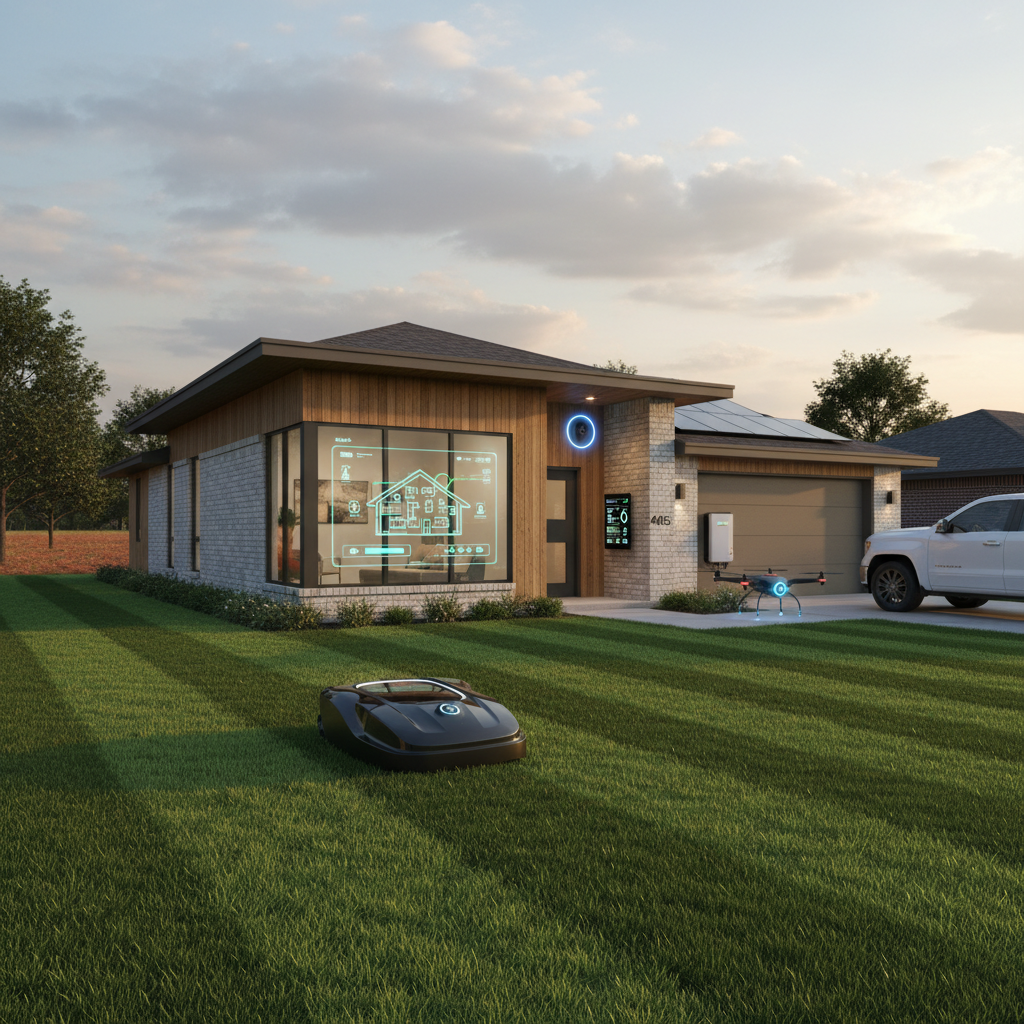
In Oklahoma’s newer developments, AI isn’t just helping buyers—it’s moving in with them. Smart homes equipped with AI-based monitoring systems are becoming more common, particularly in Oklahoma City suburbs like Moore, Mustang, and Piedmont.
These homes use predictive algorithms to monitor HVAC efficiency, detect water leaks, and manage energy use—vital in a state prone to extreme weather. They also offer integration with platforms like Alexa or Google Home for voice-controlled lighting, security, and entertainment.
For tech-savvy buyers, especially Millennials and Gen Z, these features can make or break a purchase. And with energy prices climbing, AI-powered energy savings are an increasingly persuasive selling point.
6. Localized Challenges and Ethical AI Use
Despite its promise, AI’s rise in Oklahoma real estate isn’t without pitfalls. In some areas, algorithmic bias in pricing or visibility may inadvertently favor certain zip codes over others—raising concerns about fairness, especially in historically underserved communities.
Additionally, data privacy remains a hot topic. Buyers are increasingly wary of how their information is stored, sold, or used to target ads or financing offers. Oklahoma lawmakers are beginning to explore regulatory frameworks to ensure ethical use of AI in housing—particularly regarding disclosure and credit decisioning.
Local real estate associations are urging transparency in AI-generated property values and encouraging a hybrid model where human agents remain central to final decisions.
Oklahoma Real Estate by the Numbers (Mid-2025)
Data from real estate groups suggests AI is gaining fast traction:
- Median home price (statewide): $238,000 (up 5.8% YoY)
- Average time on market in metro areas: 26 days
- Homes using AI-enhanced virtual tours: 52% (up from 31% in 2023)
- AI-powered mortgage preapprovals: 46% of all new loans statewide
- Most AI-adopted counties: Oklahoma, Tulsa, Cleveland, and Comanche
Oklahoma’s Next Home Is Powered by AI
In 2025, AI is no longer an experiment—it’s the default mode for real estate in Oklahoma. From Tulsa’s tech-savvy downtown condos to farmland outside Enid, artificial intelligence is changing how people search, buy, finance, and live.
But technology alone isn’t the full story. Buyers still rely on experienced agents, local knowledge, and common sense to navigate a market influenced by weather, economy, and culture. As AI takes on more of the heavy lifting, Oklahomans can focus on what really matters: finding a home that fits their future.
The next decade of real estate in the Sooner State won’t just be fast and affordable—it will be smart.