- calendar_today August 21, 2025
The Cult Fandom of iZombie: What Made Fans Stick Around
Zombies are undead, so they never really go out of style. But they had a heyday on TV in the 2010s. The decade’s first years gave us the big guns, AMC’s critical and commercial juggernaut The Walking Dead (2010–2022). The end of the decade gave us one of the few Netflix originals that broke through to mass cultural consciousness: the quirky horror-comedy The Santa Clarita Diet (2017–2018). Somewhere in the middle of that was The CW’s unassuming hybrid, iZombie. Bringing a mix of police procedural, zombie drama, and absurdist comedy into five seasons, iZombie found an audience without ever reaching the heights of its longer-lived zombie peers.
A part of that can be attributed to its timing, its genre obscurity, and the saturation of network TV shows that went on to have second lives on Netflix. But the real secret was simple: smart, heartfelt writing; sincere, charismatic performances; and a refreshing degree of originality from a franchise that by then had already been in circulation for a decade in comic book form. For that material, the producers turned to writer-creator Rob Thomas and his production partner Diane Ruggiero-Wright. The two worked with the guiding material of a Vertigo comic series from Chris Roberson and Michael Allred, and the broad strokes of zombie-cop Liv Moore remained. The finer details, however, were different.
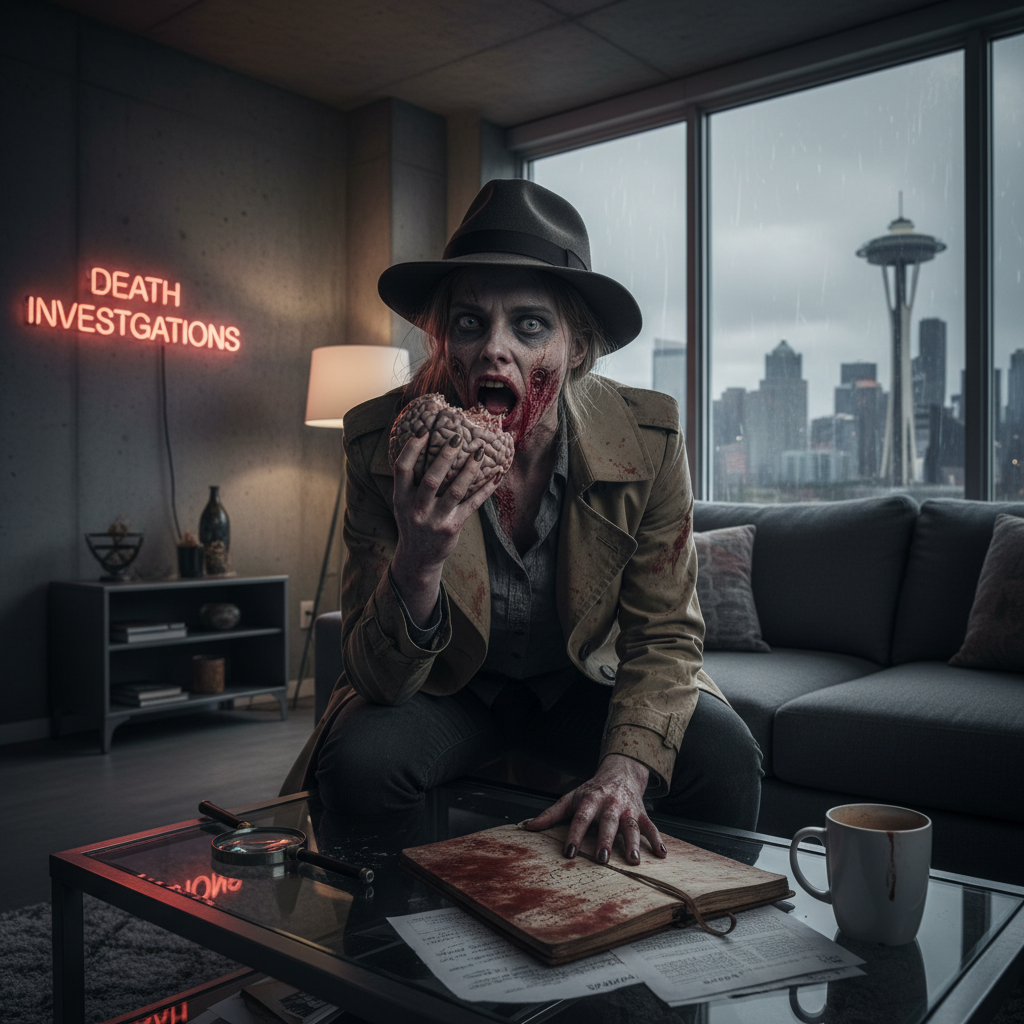
In the comics, it was Gwen Dylan, the zombie gravedigger and decomposer of human bodies in Eugene, Oregon, who maintained her memories of her previous life by eating a human brain every 30 days. She’s accompanied by a ghost and a were-terrier with different pieces of her personality; the setup allows Allred and Roberson to play with concepts of friendship, self, and what it means to be human. But the TV series began to diverge from its predecessors from the get-go. In the show, the setting shifted to Seattle, and the title character was given an even more on-the-nose name, Liv Moore (Rose McIver). The level-headed med school student, Liv, attends the boathouse party of her human fiancé, Major (Robert Buckley), and his jerk friend, Peyton (Aly Michalka). But when she samples a new designer drug, Utopium, and it’s laced with an energy drink, Max Rager, things get messy.
But in a neat twist, every brain she eats imbues Liv with a dose of the memories, experiences, and personality traits of her previous owner. In one brain, it’s a silly alter ego or a formula for her zombie death. In others, Liv is a dominant domatrix, a curmudgeonly old man, a sappy romance novelist, a street magician, or a melancholy pub trivia champion hitman. There’s so much personality that McIver can bring to bear in every episode, and the comedy writing allows her a range of sincere styles to pull from to make every character’s mannerisms unique. And through it all, each new angle on Liv served as a jumping-off point to help solve the homicides of the week, a fluke that pairs her with Det. Clive Babineaux (Malcolm Goodwin), who—initially, anyway—assumes she’s psychic.
Brains, Villains, and Bittersweet Finale
Speaking of villains, iZombie’s resident antagonist was naturally a brain-eater: the conniving, corrupt Blaine DeBeers (David Anders). The impeccably dressed and unfailingly dissed “Don Juan of zombie porn” goes from dealing a batch of the Utopium Major introduces him to Liv to importing brains full time and building a network of exorbitantly wealthy zombie clients. He’s charming in his own delightfully spoiled way—Blaine’s poise, patrician snarl, obnoxious preppy emo swagger, and family dysfunction gave Anders material for a career-defining role. Not to mention a laundry list of quotable lines.
The show had its share of side characters that popped too, including the comic turn of Jessica Harmon as FBI agent Dale Brazzio (who becomes Clive’s partner after his original was killed), and Bryce Hodgson’s season one performance as Scott E., an intoxicated hunky werewolf that Liv helps, only for him to bite her at the end of the episode. The writers went so far as to bring back Scott in season four as a twin brother named Don E., a sort of diminutive henchman for Blaine. And while many recurring and guest roles peppered through the show had memorable one-off moments, too many to list here, Daran Norris as sleazy weatherman Johnny Frost and Steven Weber as Max Rager CEO Vaughan Du Clark stood out. The latter is the grandfather to not only Liv but also a zombie child bride, Rita (Leanne Lapp), to whom Vaughn quickly forms a meaningful and moving bond.
The final two seasons of the show sagged in comparison to its start, and the series finale, in particular, was a flop. It was generally agreed to be rushed and without the meaningful emotional payoff fans wanted. Still, if the story arc of the show as a whole had at least one thing to recommend it, it’s that iZombie was shamelessly absurd in its earnest, heart-on-its-sleeve way. The humor and puns were pitch-perfect (Major Lillywhite, of course, along with the bar she owns, The Scratching Post, and Ravi’s new puppy, aptly named Minor), and the food Liv cooked out of the brains she ate was delightfully disgusting (stir-fry? Brain-smoked ham? Hush Puppies? Protein shakes?).