- calendar_today August 14, 2025
In 2025, Oklahoma’s real estate market is positioning itself as a stable, value-driven opportunity for investors. While national trends—like cooling inflation and steady interest rates—set the broader tone, the Sooner State is charting its own course with localized growth in logistics, housing, and migration-driven demand.
What’s driving real estate investment across Oklahoma City, Tulsa, and secondary markets like Norman and Lawton? Investors are targeting seven high-performing asset classes—sectors that are not just holding ground but thriving amid demographic shifts, economic development, and industry diversification.
Multifamily Housing: The Reliable Performer
In Oklahoma’s larger cities and university towns, multifamily housing continues to deliver stable returns. Class B and C apartments in neighborhoods around Oklahoma City’s Plaza District or Tulsa’s Midtown are seeing strong occupancy rates. With homeownership still out of reach for many due to elevated interest rates, renters are staying longer, especially younger professionals and working-class families.
Mid-rise apartment complexes and garden-style developments near major employers and universities are particularly appealing. Rents are rising modestly—around 2.5–3.5% annually—supported by strong tenant demand and affordable operating costs. Investors also benefit from relatively relaxed zoning rules and favorable landlord laws statewide.
Industrial Properties: Still a Growth Engine
Oklahoma’s central location and strong infrastructure are making it a hotspot for industrial development. Along the I-35 and I-44 corridors, warehouse, logistics, and distribution centers are in high demand. Oklahoma City’s growing role in regional freight logistics and Tulsa’s manufacturing renaissance are driving both leasing activity and investor interest.
According to JLL’s 2025 regional report, industrial vacancy in Oklahoma hovers around 4%, with rent growth reaching nearly 6% annually in key submarkets. The rise of e-commerce, oil and gas logistics, and domestic manufacturing has made industrial real estate one of the state’s most resilient asset classes—especially as AI and robotics improve operational efficiencies.
Single-Family Rentals in Suburban Markets
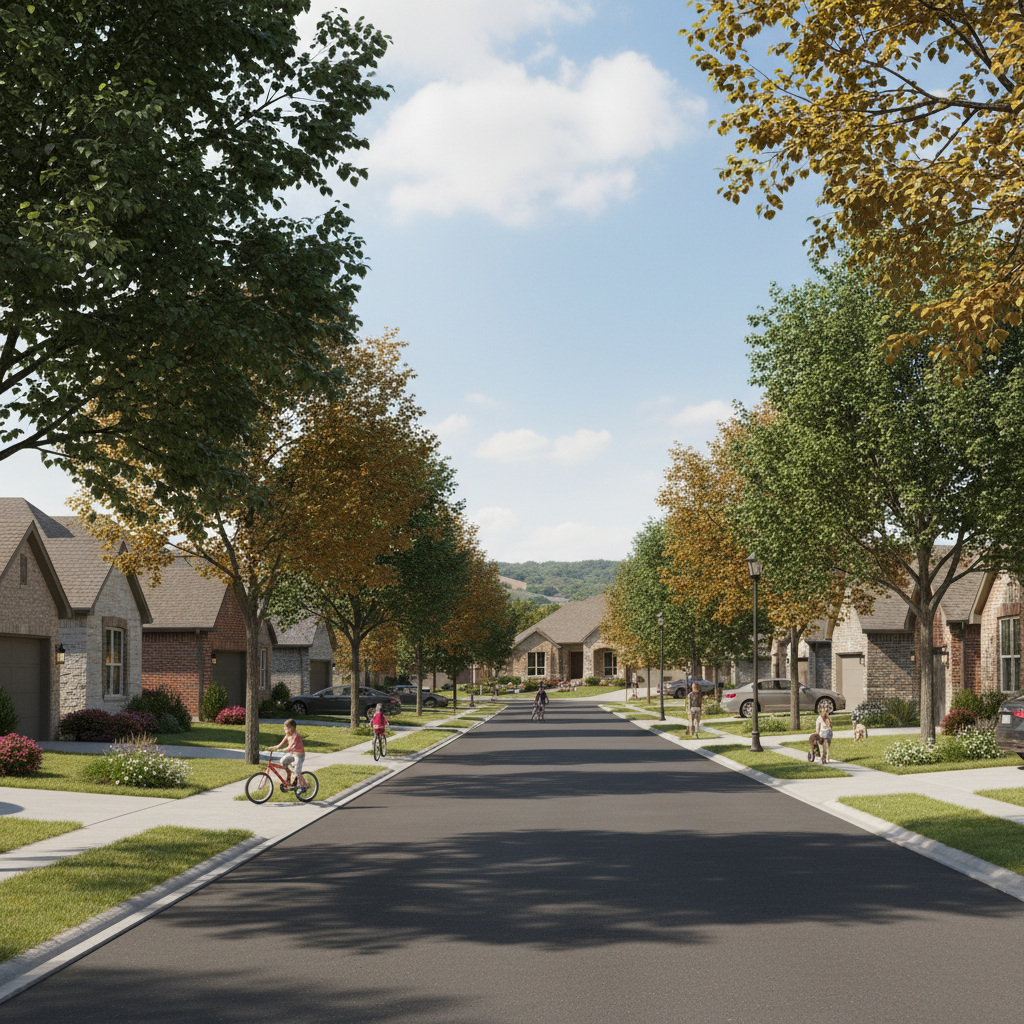
Suburban growth is reshaping Oklahoma’s rental market. Towns like Edmond, Broken Arrow, Moore, and Yukon are seeing a rise in demand for single-family rentals (SFRs). Families and remote workers are prioritizing more space, good schools, and flexible leases—without taking on a mortgage.
Roofstock’s 2025 Investor Sentiment Index shows increasing appetite for SFRs across Oklahoma, especially in neighborhoods close to new infrastructure and expanding school districts. These homes offer low vacancy, reliable tenants, and lower per-unit maintenance costs than larger apartment complexes. In a state with ample land and modest construction costs, SFR development is gaining serious traction.
Urban Migration: Smaller Cities and Economic Revivals
While Oklahoma City and Tulsa remain anchors, there’s growing migration into smaller metros like Stillwater, Enid, and Bartlesville. These communities offer lower housing costs, revitalized downtowns, and proximity to regional employers. Infrastructure investment and quality-of-life upgrades—like park expansions and broadband rollout—are making them increasingly attractive for residents and developers alike.
With manufacturing and aerospace receiving federal and state support, property values in smaller towns are rising. Developers are targeting both residential and light commercial projects near industrial parks and main streets undergoing revitalization.
Mixed-Use Developments & Downtown Revival
Downtown revitalization is underway in cities across Oklahoma. From Tulsa’s Arts District to Oklahoma City’s Bricktown, mixed-use developments are combining housing, coworking, dining, and retail into compact, walkable environments.
These projects are particularly appealing to young professionals, remote workers, and empty nesters seeking lifestyle convenience. While smaller cities face zoning challenges, successful developments in places like Norman and Stillwater are proving that mixed-use can thrive when supported by community engagement and smart planning.
Niche Assets on the Rise: Senior & Student Housing
Oklahoma’s aging population is boosting demand for senior housing, especially in suburban and exurban communities. Areas like Midwest City and Jenks are seeing development of assisted living and independent senior communities near medical centers and town centers. Occupancy rates continue to climb, reflecting demographic realities and limited new supply.
Student housing is also drawing investor interest near institutions like the University of Oklahoma (Norman), Oklahoma State (Stillwater), and the University of Tulsa. With pre-leasing rates exceeding 90%, modern units featuring strong Wi-Fi, furnished layouts, and social amenities are in demand. These assets offer stable returns in well-managed college towns with growing enrollments.
Risk Factors and Investment Cautions
Investing in Oklahoma real estate offers compelling opportunities—but not without risks. Severe weather—including tornadoes and hailstorms—can impact insurance costs and require robust risk management strategies. Investors should assess building codes and consider long-term property resilience when underwriting deals.
Regulatory risk is relatively low, but local zoning inconsistencies and infrastructure limitations in rural areas can delay projects. In certain flood-prone areas near creeks and rivers, rising insurance premiums may also affect ROI.
Although interest rates have stabilized, financing costs remain elevated compared to pre-2022 levels. Conservative modeling, diversified portfolios, and an understanding of regional dynamics are key to preserving margins and reducing exposure.
Expert Insight: What the Analysts Say
“Oklahoma continues to punch above its weight in logistics, workforce housing, and suburban development,” says Lauren Bellingham, senior economist with CBRE. “Its affordability, location, and business-friendly policies make it attractive—but success depends on targeting the right submarkets.”
Redfin’s 2025 Housing Trends report also emphasizes the strength of migration-driven demand in the state. It notes that affordability and access to education and healthcare are guiding real estate trends across urban and secondary markets alike.
Strategic Diversification is Key in 2025
In 2025, successful real estate strategies in Oklahoma revolve around precision and diversification. Multifamily remains a reliable base, while industrial properties shine along the state’s freight corridors. Single-family rentals are thriving in suburban pockets, and niche assets like student and senior housing are gaining ground in select submarkets.
Mixed-use downtowns are regaining energy, especially in cities that invest in cultural and economic revitalization. The divide between well-positioned markets and stagnant ones is growing—making local insight and thoughtful diversification more important than ever.
Investors who take a measured, region-specific approach—focusing on long-term demand and resilient asset classes—are well-positioned to outperform in Oklahoma’s evolving 2025 real estate landscape.