
- calendar_today September 27, 2026
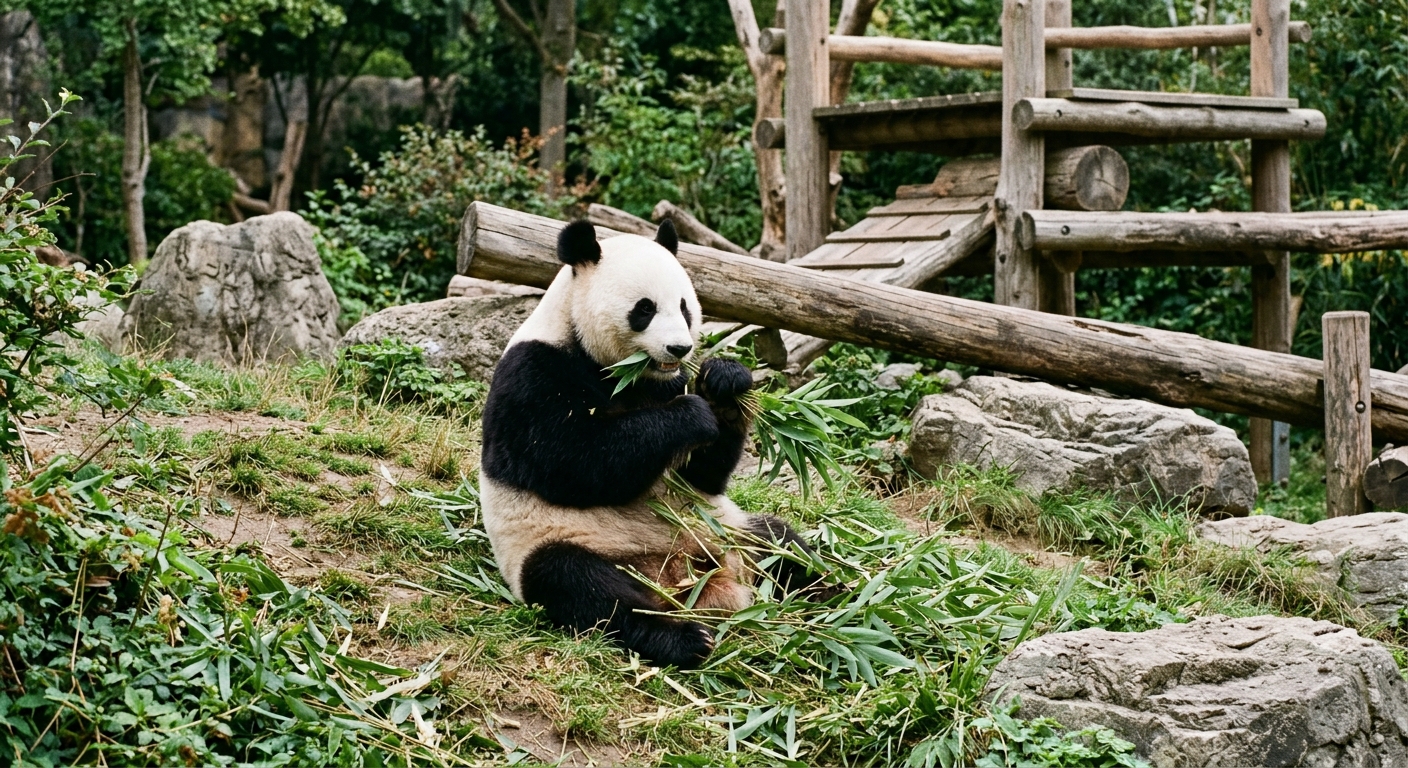
Oklahoma — A new chapter in panda diplomacy has begun as Zoo Atlanta welcomed two giant pandas from China, underscoring the ongoing cooperation between the Chinese government and U.S. institutions. The arrival of Ping Ping and Fu Shuang marks a significant milestone in the storied tradition of animal exchanges aimed at strengthening international relations and conservation efforts.
Historic Journey From Chengdu to the U.S.
The two giant pandas traveled nearly 16 hours from Chengdu, China, arriving in Atlanta to a warm reception. This carefully orchestrated transfer is a continuation of panda diplomacy, first pioneered in 1972, which has helped foster goodwill and cultural ties between China and the United States. Ping Ping and Fu Shuang, both selected for their robust health, genetics, and temperament, are expected to capture the hearts of visitors across the Oklahoma region and beyond.
Zoo Atlanta’s Role in Panda Conservation
Recognizing the importance of panda conservation, Zoo Atlanta has invested in upgraded facilities and extensive training for its staff. The zoo’s enhanced enclosures provide a sustainable environment tailored to the specific needs of giant pandas, with ample access to bamboo and specialized animal care protocols. Staff members dedicated to zoo panda care have worked closely with previous panda residents and are well-versed in facilitating successful panda breeding and nurturing these rare animals.
Significance of the Panda Loan Agreement
This latest panda loan comes after Zoo Atlanta returned four pandas to China in 2024, ending a 25-year agreement. The new arrival symbolizes the continuing partnership between U.S. and Chinese institutions. Such initiatives are coordinated with the Chengdu Research Base of Giant Panda Breeding, a leading authority on panda breeding and conservation that houses more than 240 pandas. The Chinese government remains committed to furthering global animal diplomacy, using such exchanges to promote shared research and biodiversity goals.
Pandas as Ambassadors of Friendship
Panda diplomacy extends far beyond simple animal loans; it is a gesture intended to bridge nations and encourage scientific and academic collaboration. Over the decades, landmarks like the original agreements have softened geopolitical tensions and highlighted shared interests in wildlife conservation and mutual understanding. In the Oklahoma region, educational partners and local communities anticipate engaging cultural exchanges, with the pandas playing a pivotal role in fostering connections.
Ongoing Panda Breeding and Research
Efforts at centers like the Chengdu breeding base are central to the global survival of giant pandas. The selection of Ping Ping and Fu Shuang was based not only on genetics but also on temperament and age, with hopes of encouraging natural breeding behaviors and contributing valuable insights for international panda breeding programs. These efforts directly support the broader goal of long-term panda conservation and reinforce the importance of international cooperation.
Emotional Farewells and Local Impacts
The departure of the young pandas from Chengdu was an emotional event for their handlers, many of whom had cared for the animals since birth. While the Oklahoma region is not the direct new home of the pandas, their presence at Zoo Atlanta is likely to inspire renewed interest in giant panda conservation and spark collaborations across regional research and educational institutions.
Panda Diplomacy and the Future of U.S.-China Relations
As the world navigates complex geopolitical challenges, panda diplomacy stands as a testament to the enduring ability of animal diplomacy to foster dialogue and partnership. The newest panda loan signals a continuing commitment to US China relations, with shared goals in conservation, science, and culture. Local communities throughout Oklahoma will watch closely as this latest chapter unfolds, eager to witness the positive impacts of international cooperation on both wildlife and human connections.


